Last Updated: November 15, 2026
Quick Summary
You can prevent plumbing leaks by checking for hidden leak signs monthly, testing water pressure with a gauge, insulating exposed pipes, sealing joints and fittings, clearing clogged drains early, and scheduling routine professional inspections. Catching small drips and running toilets fast stops most water damage before it starts.
- A water meter that keeps moving with everything off means water is escaping somewhere.
- Food coloring in the toilet tank reveals a leaking flapper within about 15 minutes.
- An inexpensive pressure gauge on an outdoor hose spigot shows whether pressure is too high.
- Use drain strainers in every sink and shower to catch hair and debris.
- Smart leak sensors and automatic shutoff valves can cut the water supply before damage spreads.
Table of Contents
- Common Causes of Plumbing Leaks in Treasure Coast Homes
- 1. Know the Signs of a Hidden Water Leak
- 2. Learn How to Check for Leaks in Your Home
- 3. Stay on Top of Toilet Leak Detection
- 4. Monitor Water Pressure and Test It Regularly
- 5. Insulate Exposed Pipes and Seal Joints and Fittings
- 6. Clear Clogged Drains Before They Stress the Pipes
- 7. Schedule Routine Maintenance and a Professional Inspection
- Frequently Asked Questions
Common Causes of Plumbing Leaks in Treasure Coast Homes
Most plumbing leaks don’t start with a burst pipe. They start small, behind a cabinet or under a slab, and by the time you notice, the damage is already done. At IRC Plumbing, we’ve spent over 21 years answering calls across Sebastian and the Treasure Coast. Learning the 7 ways to prevent plumbing leaks at home starts with understanding what causes them.
A plumbing leak is any unintended escape of water from your supply lines, drains, fixtures, or appliances. In Treasure Coast homes, the most common causes are worn pipe joints and fittings, corrosion from hard water, high water pressure stressing connections, clogged drains backing up, aging supply lines, and loose fixture seals.
U.S. Environmental Protection Agency WaterSense program notes that household leaks can waste significant amounts of water, which is why catching them early matters for both your bill and your home.
Below, we’ll walk through seven practical steps you can take, plus a clear guide on what’s safe to handle yourself and when to call a professional.
1. Know the Signs of a Hidden Water Leak
A hidden water leak rarely announces itself. It shows up as a stain on the ceiling, a musty smell under the sink, or a water bill that jumped for no reason. Catching these early warning signs is the first of the 7 ways to prevent plumbing leaks at home from turning into major repairs.
Watch for these signs of a hidden water leak:
- Water stains or discoloration on walls, ceilings, or floors
- Damp spots or soft areas near the base of walls
- A musty smell or visible mold in cabinets or closets
- Unexplained spikes in your water bill
- The sound of running water when nothing is on
If any of these sound familiar, don’t wait. A small leak behind a wall can quietly rot framing and feed mold long before it’s obvious. Our guide on how to detect hidden wall leaks walks you through confirming and locating the problem step by step, and our leak detection FAQs answer the questions homeowners ask most.
2. Learn How to Check for Leaks in Your Home
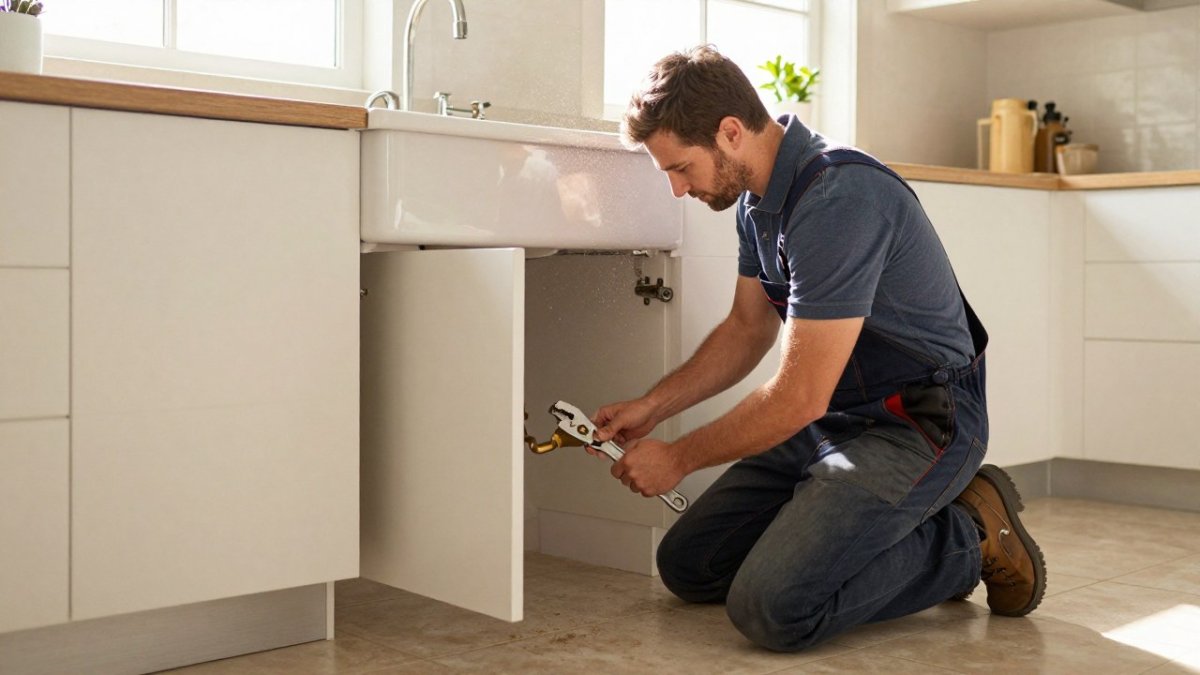
A quick monthly walkthrough catches most problems before they spread. Checking for leaks in your home means looking at the spots water hides: under sinks, around the water heater, behind the washing machine, and at the base of every toilet.
Start with a simple meter test. Turn off every faucet and appliance that uses water, then watch your water meter. If the dial keeps moving, water is escaping somewhere in the plumbing system.
From there, run a visual inspection of your plumbing fixtures. Look for drips at faucets, moisture around pipe joints and fittings, and corrosion on valves. A common mistake is only checking the obvious spots. The real culprits usually hide in the cabinet under the kitchen sink or behind the supply lines to the washer.
For a deeper walkthrough, our guide on how to find hidden pipe leaks covers the room-by-room approach we use on service calls.
3. Stay on Top of Toilet Leak Detection
A running toilet can waste water all day without making a sound you’d notice. Toilet leak detection is one of the easiest checks you can do, and it’s worth repeating every few months.
Put a few drops of food coloring in the tank and wait about 15 minutes without flushing. If color shows up in the bowl, the flapper or fill valve is leaking. That’s a cheap part to replace and a fast fix that stops the waste.
Also check the supply line and the base of the toilet for damp spots. A toilet that rocks slightly can wear out the wax seal, which lets water seep into the floor. If your toilet has been running for weeks and your bills keep climbing, don’t ignore it. Small toilet leaks add up fast.
4. Monitor Water Pressure and Test It Regularly
High water pressure is one of the most overlooked causes of plumbing leaks. It stresses every joint, fitting, and valve in the system, and over time those connections fail. Testing your water pressure takes about five minutes and can save you a major repair.
You can buy an inexpensive pressure gauge that screws onto an outdoor hose spigot. Screw it on, open the valve, and read the dial.
If the reading is consistently high, a pressure-reducing valve can bring it back into a safe range. Many homes already have one near the main water supply, and it can wear out over the years.
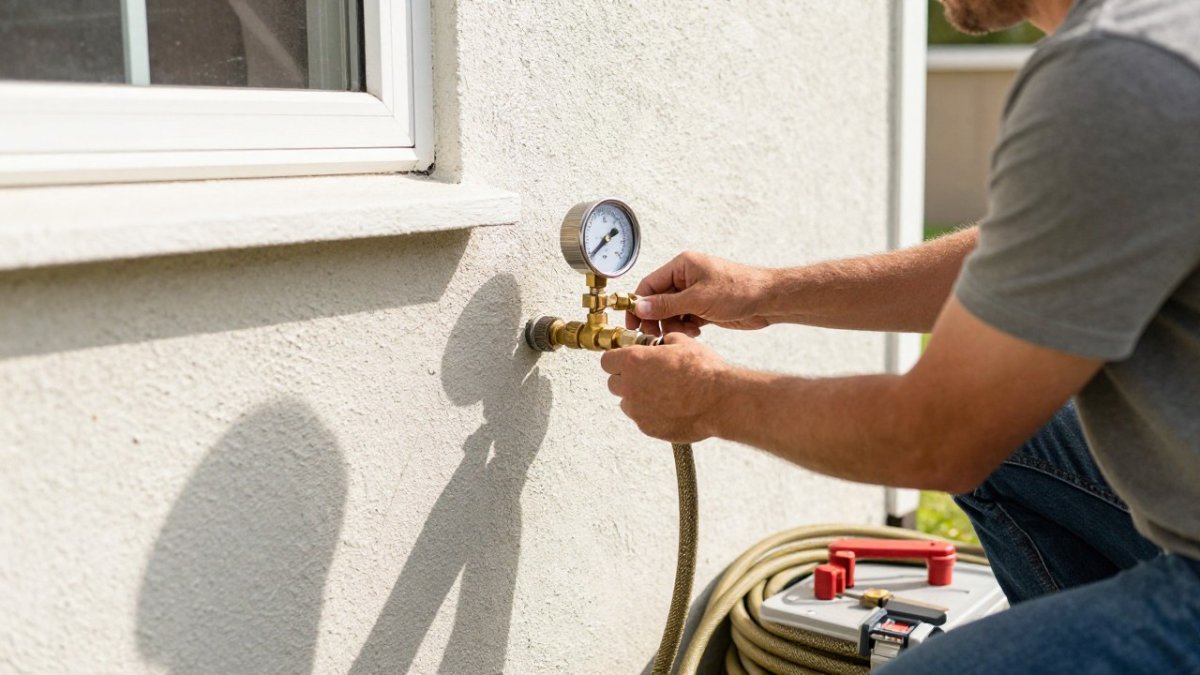
While you’re at it, check for water hammer, that banging sound in the pipes when you shut off a faucet. It’s another sign of pressure problems, and it’s worth mentioning to a plumber before it damages a connection.
Watch out: don’t crank a pressure-reducing valve yourself without knowing the current setting, because overtightening can starve fixtures and cause noisy, erratic flow.
If your gauge shows a steady high reading and you also hear water hammer or see corrosion at connections, that combination is a good reason to book a professional inspection rather than wait for a joint to fail.
5. Insulate Exposed Pipes and Seal Joints and Fittings
Exposed pipes in garages, attics, and crawl spaces take a beating. Wrapping them with pipe insulation protects against vibration, sunlight, and temperature swings, and it’s a job most homeowners can handle with a few supplies. Warm, moist air in an attic or garage can condense on cool supply lines, and that condensation can look exactly like a leak.
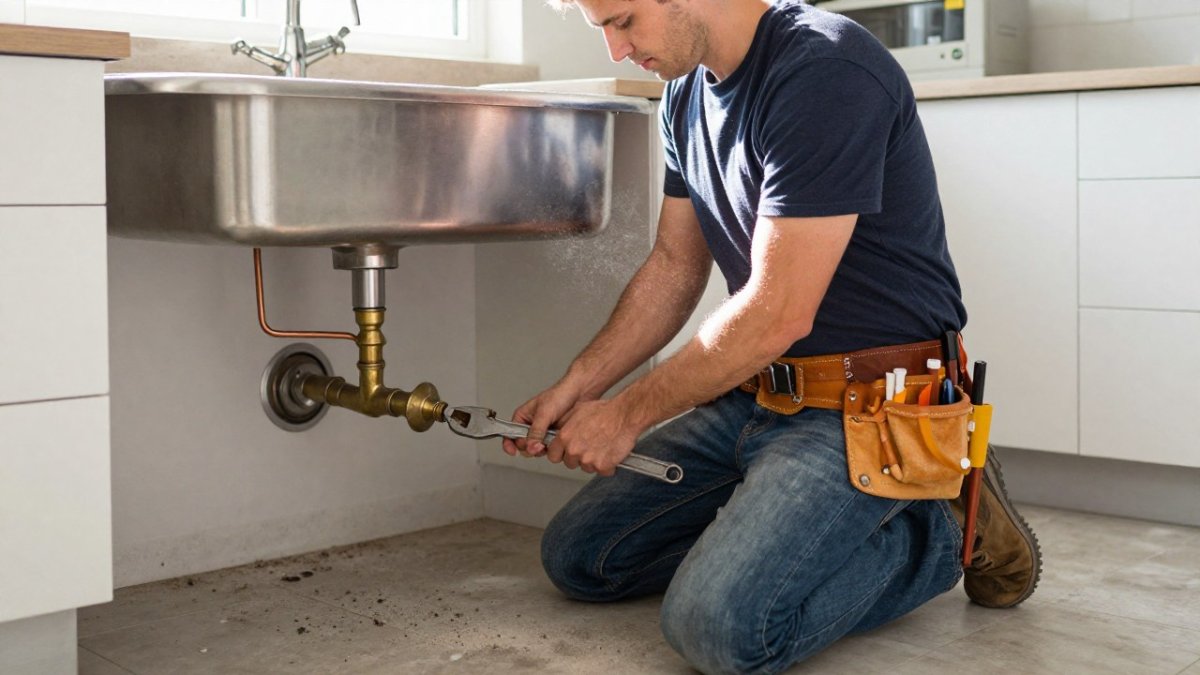
Sealing joints and fittings matters just as much. Check the connections at valves, supply lines, and where pipes meet fixtures. Look for corrosion, mineral buildup, or a slow drip. When a fitting keeps dripping despite tightening or sealing, a guide on when to call a plumber can help you judge whether the problem needs professional attention.
Mineral deposits can eat at fittings from the inside, so a joint that looks fine on the outside may already be thinning. If you spot green or white crust on copper or brass, that’s a sign to have it looked at. The same mineral scale can build up on valve seats and cause a slow drip that never quite stops, even after you tighten the packing nut.
Watch out: don’t wrap a fitting so tightly that you can’t see it, because you want to be able to check for a weep after the next heavy rain or a long shower run. Leave the valve handles and cleanouts accessible, and use insulation sleeves that fit the pipe diameter rather than taping over gaps.
A practical routine is to walk the garage, attic, and laundry area twice a year, feel each exposed run for dampness, and look at the fittings for crust or green discoloration.
6. Clear Clogged Drains Before They Stress the Pipes
A clogged drain doesn’t just back up a sink. The pressure from standing water and repeated plunging stresses pipe joints, and a slow drain left alone can lead to a much bigger problem. Clearing blockages early is one of the simplest ways to prevent plumbing leaks down the line.
- Use a drain strainer in every sink and shower to catch hair and debris
- Avoid pouring grease or coffee grounds down the kitchen drain
- Run hot water for a minute after each shower to keep soap scum moving
- Try a drain snake or a cup plunger before reaching for harsh chemical cleaners
Chemical drain cleaners can damage older pipes, so use them sparingly. Our step-by-step guide on how to fix a clogged drain without calling a plumber covers the safe methods we recommend to homeowners.
7. Schedule Routine Maintenance and a Professional Inspection
Some leaks hide where no flashlight reaches: under a slab, inside a wall cavity, or beneath the foundation. Routine maintenance and a professional inspection catch those before they cause water damage, and that’s where an experienced plumber earns their keep.
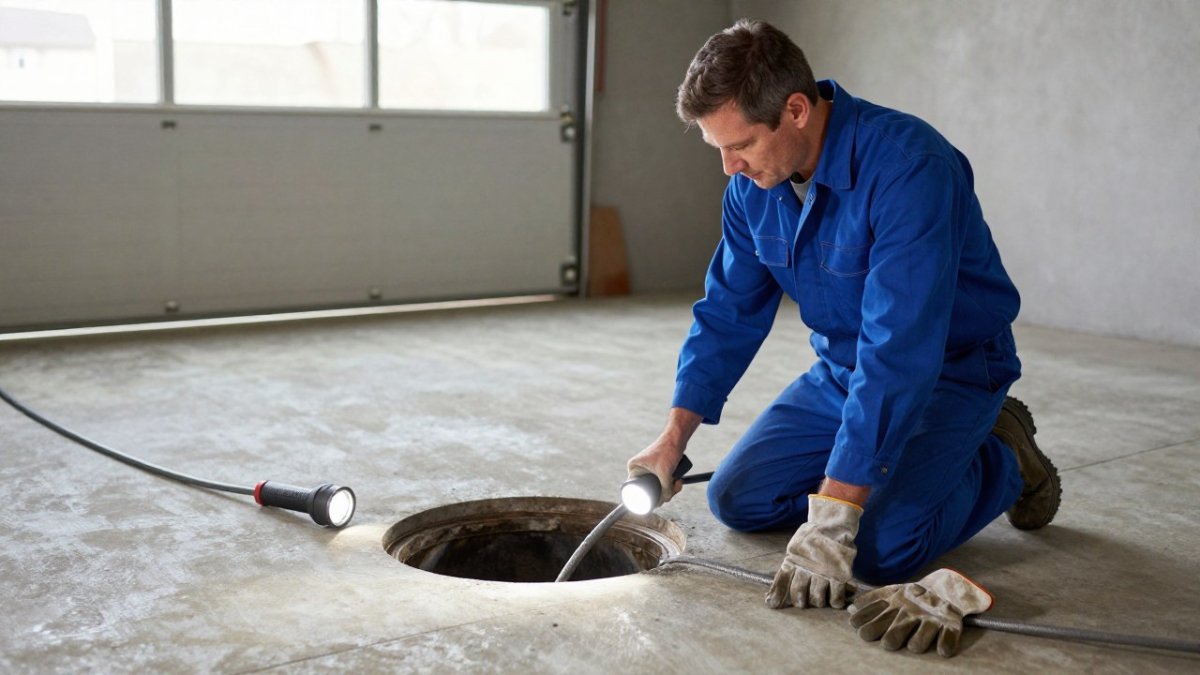
Modern tools can help a technician pinpoint a leak without tearing your home apart.
Smart leak sensors and automatic shutoff valves are also worth considering. A sensor under the water heater or washing machine can alert you the moment it detects moisture, and an automatic shutoff valve can cut the main water supply before damage spreads. For homeowners ready to book, our leak detection and repair service explains what the visit involves.
If you’re searching for a plumber near me in Sebastian, look for a licensed and insured team with local experience. IRC Plumbing holds License #CFCA20364, and we’re a family-owned business with three generations of service.
When to Call a Professional
Some jobs are safe to handle yourself, and some aren’t. Here’s a quick guide:
| Situation | DIY or Call a Pro | Why |
|---|---|---|
| Dripping faucet or running toilet | DIY | Simple parts, low risk |
| Slow drain | DIY first | Snake or plunger usually works |
| Water stain on wall or ceiling | Call a pro | Hidden leak needs detection |
| Damp spot on the floor or slab | Call a pro | Slab leaks need special tools |
| Corroded or weeping pipe joints | Call a pro | Risk of burst pipe |
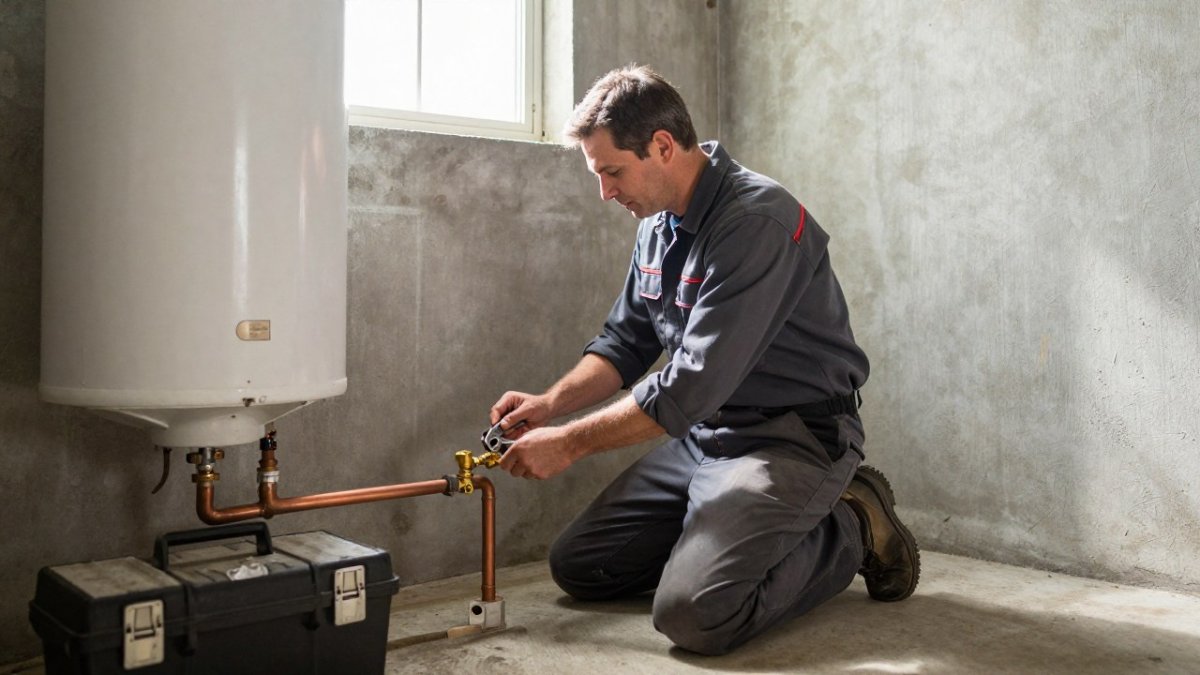
| Water heater leaks or failures | Call a pro | Safety and warranty concerns |
When in doubt, call. A quick diagnosis is far cheaper than water damage and emergency repairs.
Plumbing leaks rarely fix themselves, and the ones you can’t see are the ones that cost the most. If you’ve spotted a sign or just want peace of mind, IRC Plumbing can help. Our family-owned business brings over 21 years of experience, licensed and insured under License #CFCA20364, and expert leak detection and diagnosis. We also handle whole-house re-pipes and water heater replacement. Get started with IRC Plumbing and protect your Sebastian home before a small drip becomes a big bill.
Frequently Asked Questions
What can you put on a pipe to stop a small leak?
For a temporary fix on a small, accessible pipe leak, plumbers tape or a pipe repair clamp can slow the drip until a professional arrives. Silicone sealant or epoxy resin putty works on some joints, but these are short-term patches, not repairs. Shut off the water first, dry the pipe, then apply the patch. Call a licensed plumber to fix the underlying cause, because patches fail under pressure and can lead to water damage.
How often should you check your home for plumbing leaks?
Check your home for leaks monthly by reading the water meter with all fixtures off, and inspect under sinks, around the water heater, and behind the washing machine every few months. Schedule a professional inspection once a year. Catching a small leak early usually costs far less than repairing water damage, mold, and structural issues that develop when a leak goes unnoticed for months.
How can you tell if a toilet is leaking?
Add a few drops of food coloring to the toilet tank and wait 15 minutes without flushing. If color appears in the bowl, the flapper or fill valve is leaking. You may also hear the toilet refill on its own or notice a faint hiss. A running toilet can waste hundreds of gallons a day, so replace worn flappers promptly or call a plumber for toilet leak detection.
When should you call a plumber about a water leak?
Call a plumber when you cannot find the source of a leak, when the meter keeps running with all water off, when you see water stains or damp spots on walls or ceilings, or when a leak returns after a patch. Persistent high water bills and warm spots on the floor can signal a slab leak. A licensed plumber can use leak detection tools to locate the problem without tearing up your home.