Last Updated: November 7, 2026
Quick Summary
Clogged drain repair often starts with simple tools: a cup plunger, a bucket, rubber gloves, and a hand-crank drain snake. Remove standing water, plunge for about 20 seconds, then flush the drain with running tap water. If the clog returns or water backs up into other fixtures, the problem may be deeper in the pipe.
- Remove standing water with a cup or small bucket before plunging.
- Plunge with firm, steady strokes for about 20 seconds, keeping the cup covered.
- Run the tap for about a minute to flush debris through the drain.
- Never mix chemical drain cleaner with a plunger session, since splashing can injure skin and eyes.
- Remove the stopper and clear visible hair by hand before using a drain snake.
Table of Contents
- What You’ll Need Before You Start
- Step-by-Step: How to Clear a Clogged Drain With Standing Water
- Step-by-Step: Unclog Bathroom Sink Drain and Use a Drain Snake Safely
- Frequently Asked Questions
What You’ll Need Before You Start
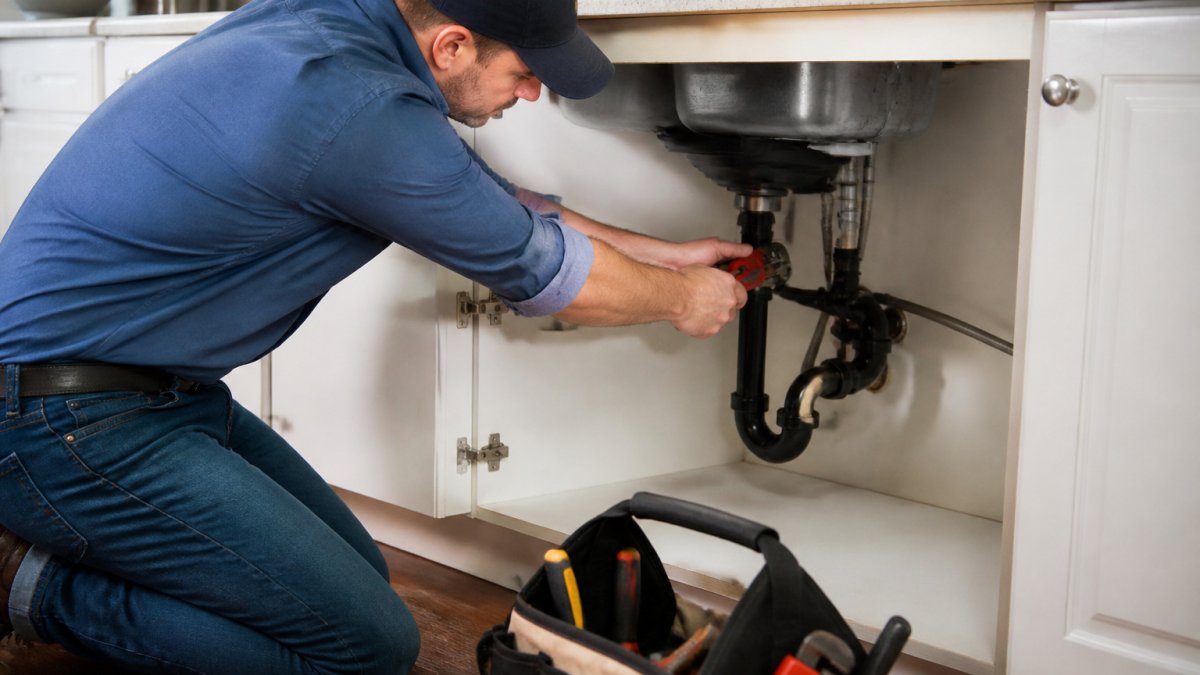
Most clogs at a sink or tub can be cleared with a few basic tools, and knowing what you need makes clogged drain repair much faster. Gather these before you begin: a cup plunger, a bucket, old towels, rubber gloves, a flashlight, and a hand-crank drain snake. Keep a small cup handy for scooping out standing water. If you have a garbage disposal, switch it off at the wall before you reach under the sink. Working with the right tools saves time and keeps the job clean.
Step-by-Step: How to Clear a Clogged Drain With Standing Water
Standing water means the blockage is holding the flow back, so start by removing as much of it as you can with a cup or small bucket. Place a towel under the drain to catch drips. Then fill the basin with just enough water to cover the plunger cup, and work the plunger up and down with firm, steady strokes for about 20 seconds. Pull it off the drain sharply to break the seal. If the water drains, run the tap for a minute to flush debris through. Repeat once if the water is still slow.
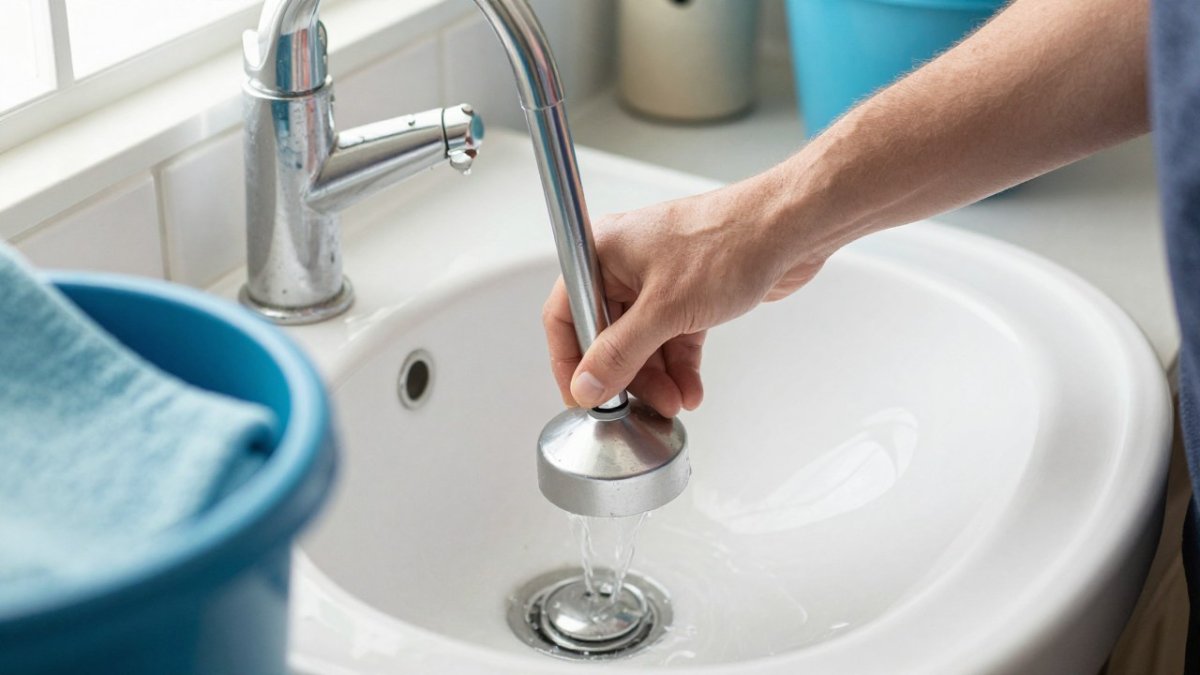
Watch out: never mix chemical drain cleaner with a plunger session, since splashing can injure your skin and eyes. If the clog keeps coming back after a quick fix, learn how to fix recurring drain clogs permanently.
The core clearing method comes down to a few timed actions, summarised below.
|
Action |
Detail |
Time or frequency |
|---|---|---|
|
Remove standing water |
Use a cup or small bucket |
Before plunging |
|
Plunge |
Firm, steady strokes, cup covered |
About 20 seconds |
|
Break the seal |
Pull the plunger off sharply |
After plunging |
|
Flush |
Run the tap to clear debris |
About a minute |
|
Repeat |
Only if water is still slow |
Once |
Step-by-Step: Unclog Bathroom Sink Drain and Use a Drain Snake Safely
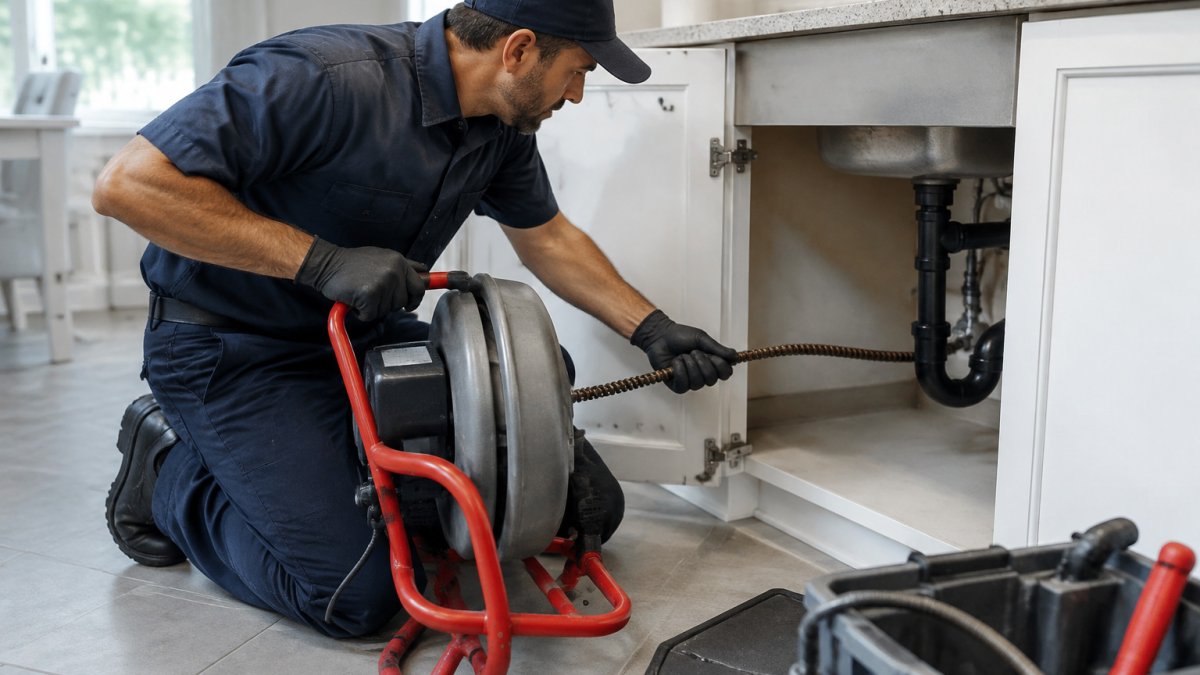
Hair and soap residue cause most bathroom sink clogs, so clogged drain repair often starts with a close look at the stopper. Remove the stopper, then use a flashlight to look for hair or debris near the opening. Pull out what you can by hand, wearing gloves. If the clog sits deeper, feed a hand-crank drain snake gently into the drain, turning it slowly as you push. Once you feel resistance, keep turning to hook the blockage, then pull it back out. Rinse the drain with hot tap water to clear any remaining residue.
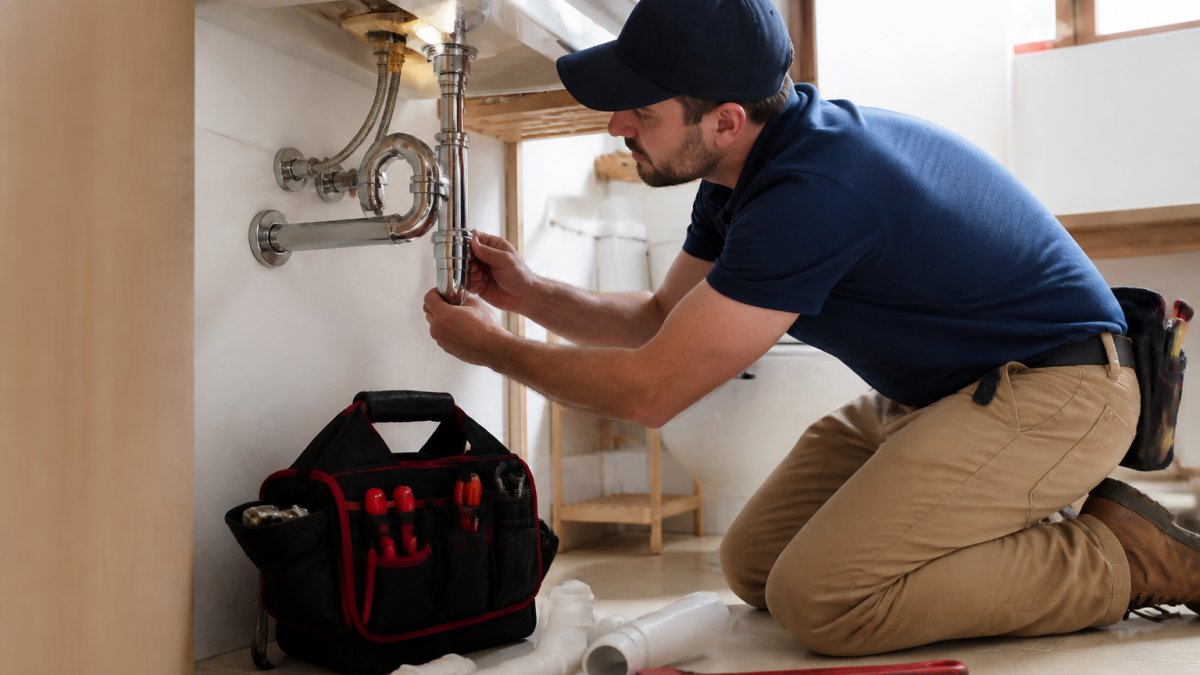
If the clog returns quickly or water backs up into other fixtures, the problem may be deeper in the pipe. At that point, contact IRC Plumbing in Sebastian, FL, for a professional inspection. Our team can diagnose the cause and recommend a lasting repair. You can also schedule a service visit with IRC Plumbing for a clog that keeps coming back.
Frequently Asked Questions
How do I clear a clogged drain with standing water?
Remove as much standing water as you can with a cup or small bucket. Then plunge the drain several times with a cup plunger, keeping a good seal over the opening. Once the water starts to drain, run hot tap water for a minute to flush loosened debris. If the water still won’t move after a few attempts, stop and avoid using more force, since repeated plunging can push the blockage farther down the pipe.
Can a drain snake clear a clog deep in the pipe?
A drain snake can reach clogs beyond the trap, often caused by hair, soap residue, or grease that has built up along the pipe walls. Feed the cable slowly into the drain, rotate it to catch the blockage, then pull it back out and run hot water to check the flow. A clog that stays stubborn after snaking, or that brings water back up from another fixture, usually means the problem is further down the line and needs professional diagnosis.
When should I stop trying to unclog a drain myself?
Stop if the clog returns within a few days, if multiple fixtures drain slowly at the same time, or if water backs up into a tub or shower when you run another sink. These signs point to a blockage in the main drain line rather than a single fixture. Also stop if you have used a chemical drain cleaner and the water is still standing, since trapped chemicals can splash or damage pipes during further work. Contact a licensed plumber for a service call to find the source.