Last Updated: November 19, 2026
Quick Summary
A clogged main sewer line is an emergency when wastewater has nowhere to go and is backing up into your home. Sewage rising into a tub, shower or floor drain, or several drains backing up at once, means you should call right away and stop using water.
- Stop flushing, showering, doing laundry and running the dishwasher until the line is cleared.
- If sewage is actively backing up, shut off the main water valve to the house.
- Do not pour chemical drain cleaners down a backed-up main line; they rarely clear it.
- Document the backup with photos and videos before cleaning up or discarding anything.
- A camera inspection shows the exact location and cause of a main line blockage.
Table of Contents
- What Makes a Main Sewer Line Clog an Emergency
- Main Sewer Line Clog Symptoms to Watch For
- Single Drain Clog vs. Main Sewer Line Clog: How to Tell the Difference
- Emergency or Urgent? A Decision Guide for Homeowners
- What to Do Right Away While Waiting for a Plumber
- Main Sewer Line Clog Fixes: How a Professional Clears It Without a Cleanout
- Booking Your Sewer Visit with IRC Plumbing in Sebastian
- Frequently Asked Questions
What Makes a Main Sewer Line Clog an Emergency
A clogged main sewer line is an emergency when wastewater has nowhere to go and is backing up into your home.
Most sewer clogs are not an immediate danger to life, but they are a health and property risk.
A main sewer line clog is an emergency if:
- Sewage is backing up into a tub, shower or floor drain
- More than one drain or toilet is affected at the same time
- Wastewater is pooling inside the home or in the yard
Watch out: Do not run water or flush toilets while sewage is backing up. That pushes more wastewater into the home.
Main Sewer Line Clog Symptoms to Watch For
Main line problems usually show up in several places at once. A single slow drain is often a local clog, but a pattern across the house points to the main line.
Multiple drains backing up or running slowly
When the sink, tub and toilet all drain slowly at the same time, the blockage is probably in the main line. Water from every fixture flows into that one pipe, so a restriction there slows everything down.
Gurgling toilets and sewage odors
Gurgling sounds from the toilet or drains often mean air is being pushed back through the pipes. This happens when wastewater cannot flow freely. A sewage smell that lingers inside or around the house is another common sign.
Sewage backing up into fixtures
If wastewater rises into a shower, tub or floor drain, the main line is likely blocked. This is the clearest sign that the problem needs prompt attention, since sewage can spread quickly once it reaches the house.
Single Drain Clog vs. Main Sewer Line Clog: How to Tell the Difference
A single drain clog affects one fixture, such as a bathroom sink. A main sewer line clog affects the whole system. Checking how many fixtures are affected is the simplest way to tell them apart.
Quick checks you can do safely:
- Run water in the sink, tub and toilet one at a time. If only one drains slowly, the clog is likely local.
- Flush the toilet and watch the other drains. If water rises in the tub or shower, the main line is likely the cause.
- Look for wastewater in the lowest drain in the house. Backup there often points to the main line.
If you are not sure, a plumber can use a sewer camera to see inside the line and find the exact blockage.
Emergency or Urgent? A Decision Guide for Homeowners
Most ranking articles list warning signs and stop there. The harder question is how to sort a sewer problem into one of three buckets, emergency, urgent, or schedule-it, because that decision determines whether you call at 2 a.m., first thing in the morning, or next week. Use the framework below.
The three-bucket triage
Emergency, call now and stop using water. Classify the problem as an emergency when any of these are true:
- Wastewater is rising into a tub, shower, floor drain, or toilet and does not recede on its own.
- Sewage has reached a finished floor, carpet, drywall, or stored belongings.
- More than one fixture is backing up at the same time, which points to the main line rather than a single trap.
Urgent, call today, limit water use. This is the middle bucket most homeowners miss:
- Two or more drains are slow but nothing has backed up yet.
- A toilet gurgles when the sink or tub drains, or drains bubble after a flush.
- A mild odor appears near one drain or near the outdoor cleanout.
Urgent problems rarely become emergencies within the hour, but they often do within a day or two of normal water use.
Schedule it, monitor and book a normal appointment. A single slow drain that clears with a plunger, a one-time gurgle, or an odor that fades after the trap is cleaned usually points to a fixture-level issue, not the main line.
What moves a problem up a bucket
The classification is not fixed. A slow drain becomes urgent the moment a second fixture joins in. An urgent backup becomes an emergency the moment wastewater reaches a floor drain or a finished surface. Two factors push problems up fastest:
- Number of affected fixtures. One fixture is usually local; two or more at once usually means the main line.
- Whether water is leaving the system. Slow drainage still moves water out. Backup means it is coming back in, and that is the line between urgent and emergency.
A common pattern is a homeowner who notices a gurgling toilet on Friday, ignores it, runs weekend laundry, and has a flooded laundry room by Sunday. The clog did not change, the water load did.
Time-of-day does not change the classification
A main-line backup at 3 a.m. is the same emergency as one at 3 p.m. What changes is who answers the phone.
Watch out: Do not reclassify a backup as “just urgent” because it seems to have stopped.
The three buckets below sort a sewer problem into emergency, urgent, or schedule-it, using the signs covered in this guide.
| Bucket | What you see | What to do |
|---|---|---|
| Emergency | Sewage rising into a tub, shower, floor drain or toilet | Call now and stop using water |
| Emergency | Sewage reaching a finished floor, carpet, drywall or belongings | Call now and stop using water |
| Emergency | More than one fixture backing up at the same time | Call now and stop using water |
| Urgent | Two or more drains slow, nothing backed up yet | Call today and limit water use |
| Urgent | Gurgling toilet or bubbling drains after a flush | Call today and limit water use |
| Schedule it | One slow drain that clears with a plunger | Monitor for a few days and book a normal visit |
What to Do Right Away While Waiting for a Plumber
What you do in the first 30 minutes affects how much sewage spreads and how much of your home needs cleanup. Work through these steps in order.
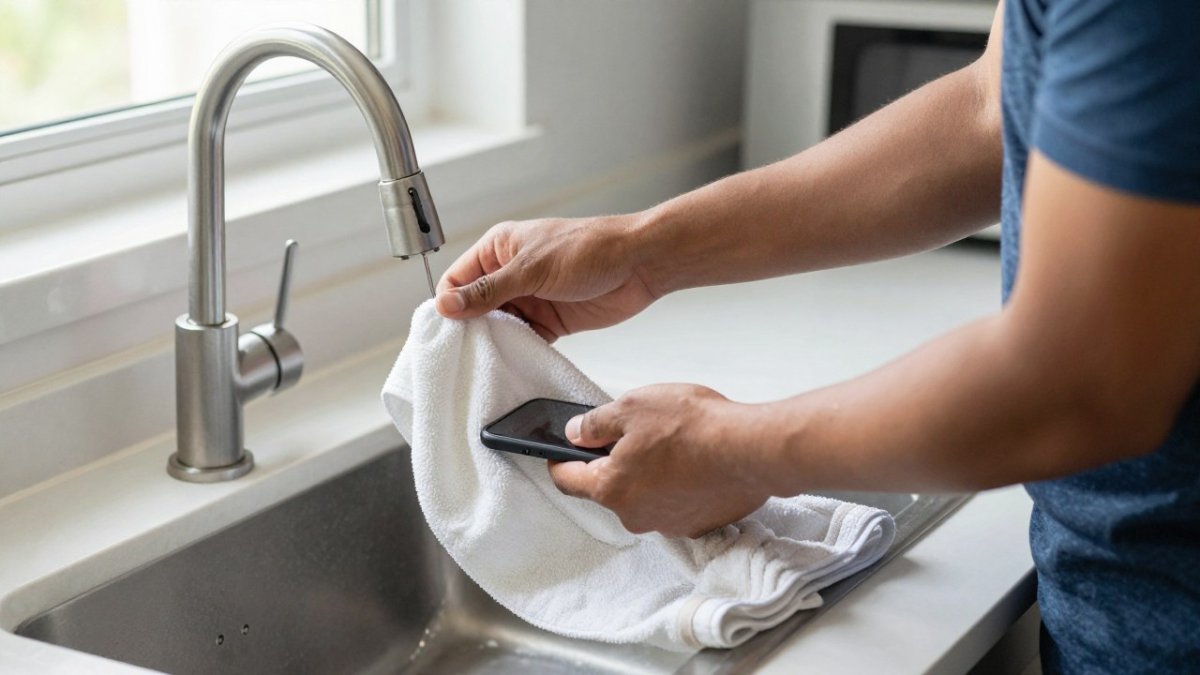
1. Stop adding water to the system
Every flush, shower, load of laundry, and dishwasher cycle pushes more wastewater toward the blockage. Until the line is cleared:
- Do not flush toilets. If you must, use a bucket of water poured directly into the bowl to flush waste down, but only if the bowl is not already near overflowing.
- Skip showers, baths, laundry, and the dishwasher.
- Do not run sinks to “test” whether the clog cleared. Each test adds water.
2. Shut off the water if backup is active
If wastewater is rising into a fixture or spreading across a floor, close the main water shutoff valve to the house. It is usually located where the water line enters the home, often in a garage, utility closet, or near the water heater, and turns clockwise to close.
Watch out: Do not open a cleanout cap to “relieve pressure.” A main line under backup can release a surge of wastewater, and the cap can be under enough force to cause injury.
3. Isolate the affected area
- Keep children and pets out of any room with standing water or sewage residue.
- Close doors to affected rooms and block them off if needed.
- If sewage has reached a floor, do not walk through it in bare feet or socks. Wear rubber boots or shoes you can discard.
4. Do not pour anything down the drains
Chemical drain cleaners are the most common mistake in this situation. They rarely clear a main-line blockage, they can damage older pipes, and they leave a caustic pool sitting in the line that the plumber then has to work around. Do not pour bleach, boiling water, or “enzyme” products down a backed-up main line either. The blockage is downstream of every fixture, so nothing you pour in from a sink reaches it.
5. Document before you clean
Take photos and short videos of:
- Each fixture that backed up, with the water level visible.
- Any sewage on floors, carpet, drywall, or belongings.
- The outdoor cleanout, if you can see it safely from a distance.
This record is useful whether you file an insurance claim or simply need to explain the timeline to the plumber. Do not begin cleanup or throw away damaged items before documenting them.
6. Ventilate and protect yourself
Open windows in affected rooms if weather and safety allow. Sewage gas and aerosolized bacteria are the concern, not just the smell. If you have to be near the backup, wear gloves and wash your hands thoroughly afterward. Anyone with a compromised immune system, young children, or pets should stay out of the area entirely.
7. Give the dispatcher the right information
When you call, have these details ready, they help the company decide how to route the call and what equipment to bring:
- Which fixtures are affected and whether any are backing up versus just draining slowly.
- Whether sewage has reached a floor or any finished surface.
- How long the problem has been going on and whether it followed a specific event, such as heavy laundry use or a recent repair.
A plumber who knows a backup has reached a finished floor will often prioritize the call differently than one hearing about a slow kitchen sink. The more precise your description, the better the response.
Main Sewer Line Clog Fixes: How a Professional Clears It Without a Cleanout
Plumbers have several ways to clear a main line blockage. The right method depends on what is causing the clog and how the line is built.
- Auger (snake) cleaning uses a long cable to break up or pull out the blockage.
- Hydro jetting uses high-pressure water to scour the pipe walls and remove buildup.
- Camera inspection shows the exact location and cause, such as roots, grease or a collapsed section.
Clearing a line without an existing cleanout is possible, but it can take more work. The plumber may need to access the line at a different point, which is why a camera inspection often comes first.
Booking Your Sewer Visit with IRC Plumbing in Sebastian
When sewage is backing up or several drains are failing, you need someone who can respond quickly and find the real cause. At IRC Plumbing, we provide expert plumbing diagnosis.
To schedule service, contact IRC Plumbing and describe what you are seeing: which drains are affected, whether there is backup, and how long the problem has lasted.
Frequently Asked Questions
Can a main sewer line unclog itself?
Rarely. A partial clog caused by grease, soft debris or toilet paper can sometimes clear after a large volume of water passes through, but a blockage that is backing up multiple fixtures usually will not clear on its own. Waiting can let wastewater rise into tubs, showers and floor drains, so if several drains are affected, stop using water and call a licensed plumber for an inspection rather than assuming the line will fix itself.
What is considered a sewer emergency?
A sewer emergency is any situation where wastewater is backing up into the home or the blockage is affecting more than one fixture at once. Sewage rising in a shower, tub or floor drain, toilets that bubble or gurgle when other water is used, and foul odors inside the house all point to a main line problem that needs prompt attention. Single slow drains without backup are usually urgent but not emergencies.
How can I tell if the main sewer line is clogged or just one drain?
Run water in several fixtures at once and watch what happens. If only one sink or tub is slow, the clog is likely in that drain’s branch line. If multiple drains slow down together, a toilet gurgles when a sink runs, or sewage appears in a low fixture, the blockage is probably in the main sewer line. Stop using water while you check, and have a licensed plumber confirm the diagnosis with an inspection.
How do I handle a main sewer line clog if I don’t have a cleanout?
Not every home has a cleanout, and a licensed plumber can still clear a main line without one by accessing it through a fixture, using a sewer camera inspection to locate the blockage, and then running a cable or hydro jetting equipment through the line. Do not attempt to open or force a pipe yourself. Describe what you are seeing, including which fixtures are affected, so the technician can plan the visit.