Table of Contents
- Why Commercial Plumbing Maintenance Matters for Your Business
- How Regular Maintenance Prevents Costly Emergency Repairs
- Commercial Plumbing Inspection Frequency and Best Practices
- Building Your Commercial Plumbing Maintenance Plan
- Commercial Plumbing Maintenance Checklist for Property Managers
- Commercial Plumbing Leak Detection and Early Problem Resolution
- Operational Efficiency and Regulatory Compliance Through Maintenance
- Frequently Asked Questions
Last Updated: October 7, 2026
Why Commercial Plumbing Maintenance Matters for Your Business
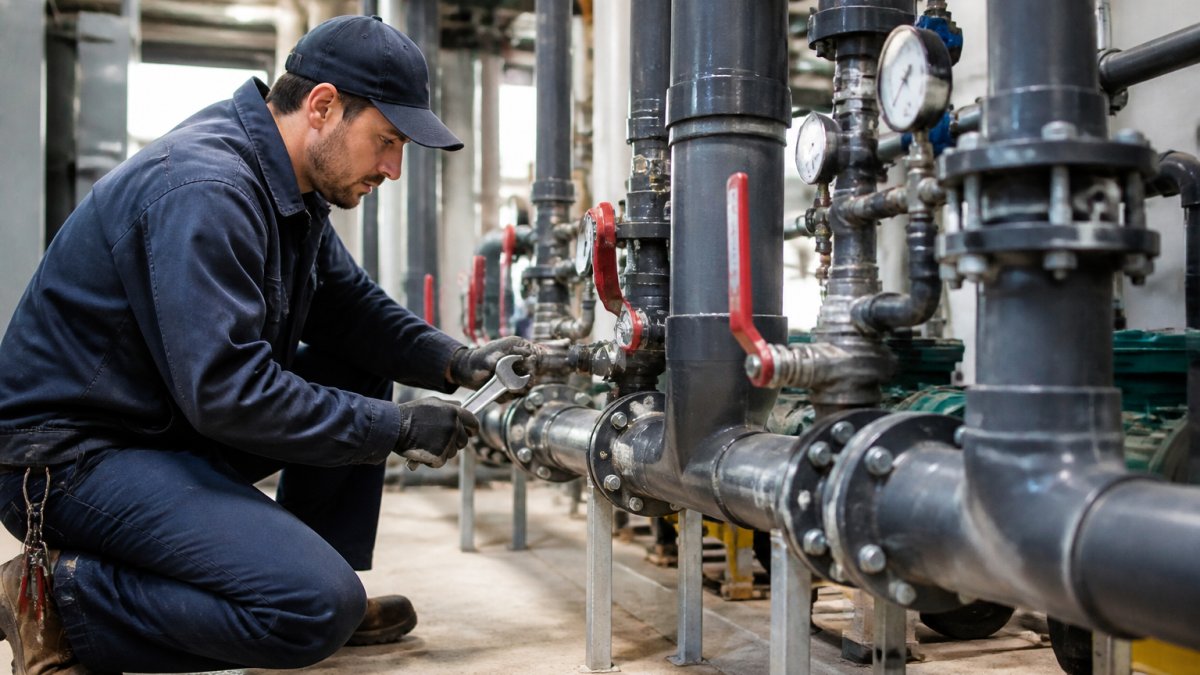
Commercial plumbing maintenance benefits your business in ways that go far beyond simply keeping water flowing. When you prioritize regular upkeep of your commercial plumbing systems, you’re protecting your operational continuity, avoiding catastrophic failures, and extending the lifespan of expensive infrastructure. At IRC Plumbing, we’ve worked with business owners across the region who learned this lesson the hard way, after a pipe burst or water damage incident that disrupted operations for days.
The reality is straightforward: commercial plumbing systems work harder than residential ones. They handle higher water volume, endure greater pressure, and support more users simultaneously. Without consistent maintenance, small issues compound into major emergencies that can shut down your business temporarily and cost substantially to repair.
Think of commercial plumbing maintenance as preventative medicine for your building. Regular inspections catch problems early, maintenance routines keep systems running efficiently, and a solid maintenance plan means you’re never caught off guard by a failure that forces you to close your doors.
How Regular Maintenance Prevents Costly Emergency Repairs
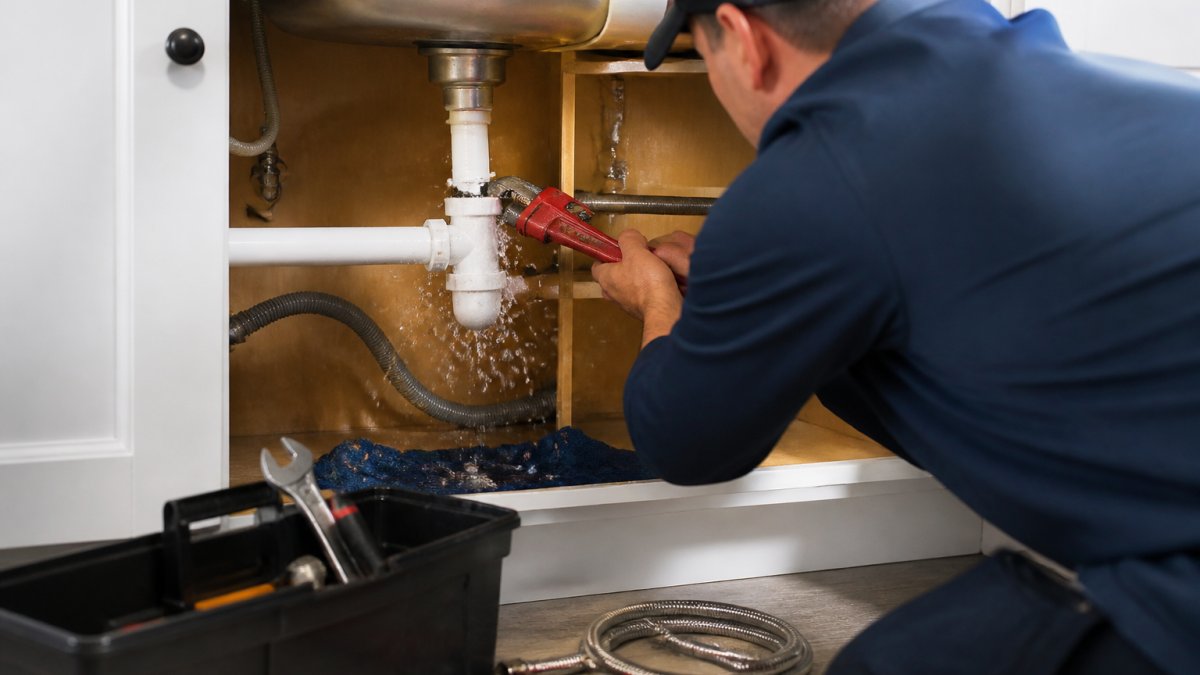
Emergency plumbing repairs happen when maintenance doesn’t. A small leak ignored becomes a burst pipe. A slow drain becomes a complete blockage. A corroded fitting becomes a catastrophic failure that floods a room.
Regular maintenance intercepts these failures before they escalate. When a professional inspects your system routinely, they identify wear patterns, spot corrosion before it spreads, and replace components that are approaching failure. This approach costs far less than emergency service calls at 2 AM or dealing with water damage remediation.
The difference between preventative maintenance and emergency repair is dramatic. Preventative work happens on your schedule, during business hours, with planned downtime. Emergency repairs happen on the system’s schedule, often at the worst possible moment, often requiring immediate action that disrupts your entire operation.
Document every maintenance visit and repair. This record becomes invaluable when you’re troubleshooting recurring issues or planning future upgrades. You’ll see patterns that help you anticipate what needs attention next.
A well-maintained commercial plumbing system rarely produces surprises. When you stay ahead of deterioration, you eliminate the crises that drain your budget and your team’s focus.
Commercial Plumbing Inspection Frequency and Best Practices
How often should you inspect commercial plumbing systems? The answer depends on your building’s age, usage intensity, and the type of systems you have. Most commercial properties benefit from professional inspections at least twice per year, once in spring and once in fall. Older buildings or those with heavy water usage may need quarterly checks.
Commercial plumbing inspection frequency matters because it establishes a rhythm of detection. Regular intervals mean problems don’t have months to worsen. They’re caught within weeks, when they’re still manageable.
Best practices for commercial plumbing inspections include:
- Visual examination of all visible pipes, connections, and fixtures
- Pressure testing to identify weak points in the system
- Drain line assessment to catch blockages before they worsen
- Water heater inspection and performance evaluation
- Backflow prevention device testing
- Sump pump and emergency drainage system checks
Professional inspectors bring equipment and expertise that spot issues you’d miss. They use video cameras to inspect inside pipes without tearing into walls. They measure water pressure to ensure optimal system performance. They test water quality to detect corrosion or contamination early.
Twice-yearly inspections create a predictable maintenance schedule. This consistency keeps your commercial plumbing system stable and gives you budgeting certainty.
The best time to inspect is before problems develop, not after water damage appears on your ceiling.
Building Your Commercial Plumbing Maintenance Plan
A commercial plumbing maintenance plan is your roadmap for keeping systems functional. Without one, maintenance happens reactively, you call a plumber when something breaks. With one, maintenance happens strategically, you know what’s being checked, when it’s being checked, and why it matters.
Start by documenting your current systems. What type of pipes run through your building? When were they installed? What’s the water pressure? What fixtures do you have? This baseline information shapes your entire maintenance strategy.
Next, establish maintenance priorities. Not all systems need equal attention. A water heater that serves your entire building gets different treatment than a single bathroom sink. A main water line gets different treatment than a secondary supply line. Prioritization ensures your budget and effort focus on systems that matter most.
Then schedule your maintenance activities. Decide which tasks happen monthly, which quarterly, and which annually. Monthly tasks might include visual inspections and drain cleaning. Quarterly tasks might include pressure testing and filter replacement. Annual tasks might include comprehensive system evaluation and component replacement.
Document everything in your maintenance plan. Include contact information for your plumber, emergency procedures, system diagrams if available, and a log of all past work. This documentation becomes your institutional memory, it tells future property managers what’s been done and what still needs attention.
A solid commercial plumbing maintenance plan also includes contingency procedures. What happens if a pipe bursts? Who do you call? How do you minimize water damage? Having answers prepared prevents panic when emergencies occur.
Without a written maintenance plan, responsibility gets unclear. When the water heater fails, nobody remembers when it was last serviced or whether replacement is overdue. A plan eliminates this confusion and keeps accountability clear.
Commercial Plumbing Maintenance Checklist for Property Managers
Property managers in Sebastian and surrounding areas need a practical checklist they can follow or delegate to their maintenance team. This commercial plumbing maintenance checklist covers the essentials:
Monthly Tasks:
- Visual inspection of all visible pipes and connections
- Check for water leaks under sinks and around fixtures
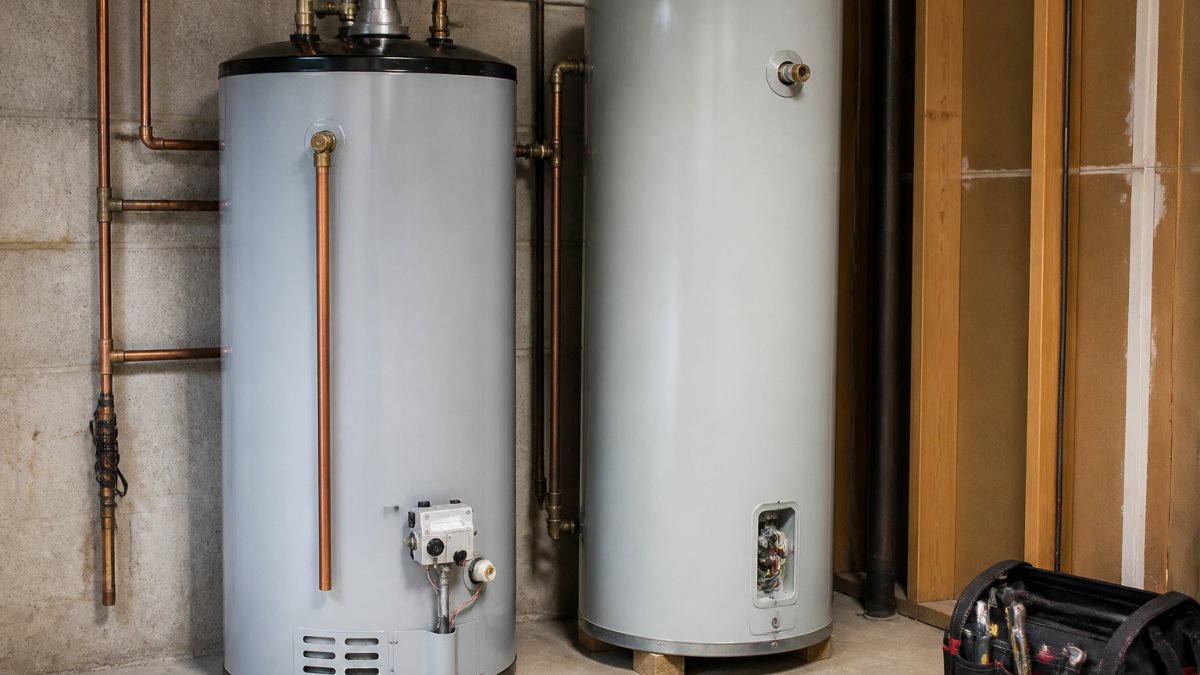
- Inspect water heater for signs of rust or corrosion
- Test all faucets and fixtures for proper flow
- Check floor drains for debris or blockages
Quarterly Tasks:
- Clean or replace water filters
- Inspect backflow prevention devices
- Test sump pumps and emergency drainage
- Check water pressure at multiple points
- Inspect toilet mechanisms for wear
Annual Tasks:
- Professional comprehensive system inspection
- Water heater flushing and maintenance
- Video inspection of main drain lines
- Pressure testing of supply lines
- Review and update maintenance records
- Inspect and test emergency shut-off valves
This checklist keeps your commercial plumbing maintenance systematic. Each task takes minutes but prevents hours of future problems. Property managers who follow this approach rarely face surprise failures.
The checklist also serves as documentation. When you can show a professional inspector that you’ve maintained your system consistently, you demonstrate responsible stewardship. This matters when selling property, when dealing with insurance claims, or when planning renovations.
Property managers overseeing multiple commercial spaces who need to track maintenance across buildings. A checklist ensures nothing gets overlooked and creates accountability across your team.
Commercial Plumbing Leak Detection and Early Problem Resolution
Leaks are the most common commercial plumbing problem, and they’re also the most dangerous because they worsen silently. A small leak in a wall cavity might drip for weeks before anyone notices water damage. A slow leak in an underground line might cost thousands in water bills before you realize something’s wrong.
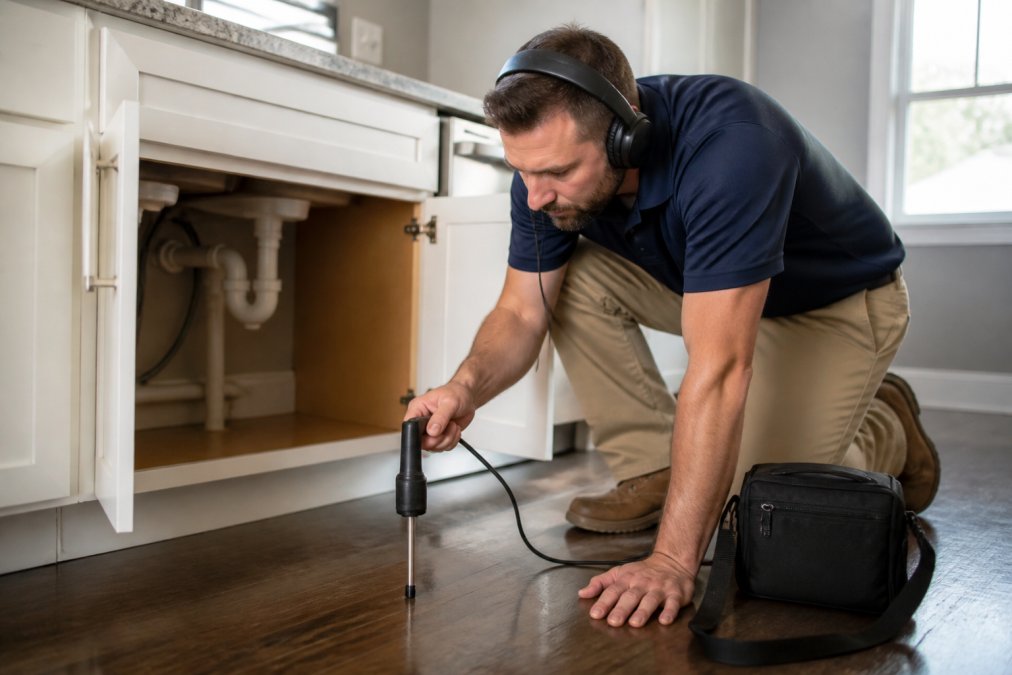
Professional leak detection technology finds these hidden problems. Acoustic sensors detect the sound of water escaping from pipes. Thermal imaging identifies temperature anomalies that indicate water movement. Video inspection cameras show exactly where leaks are occurring inside pipes.
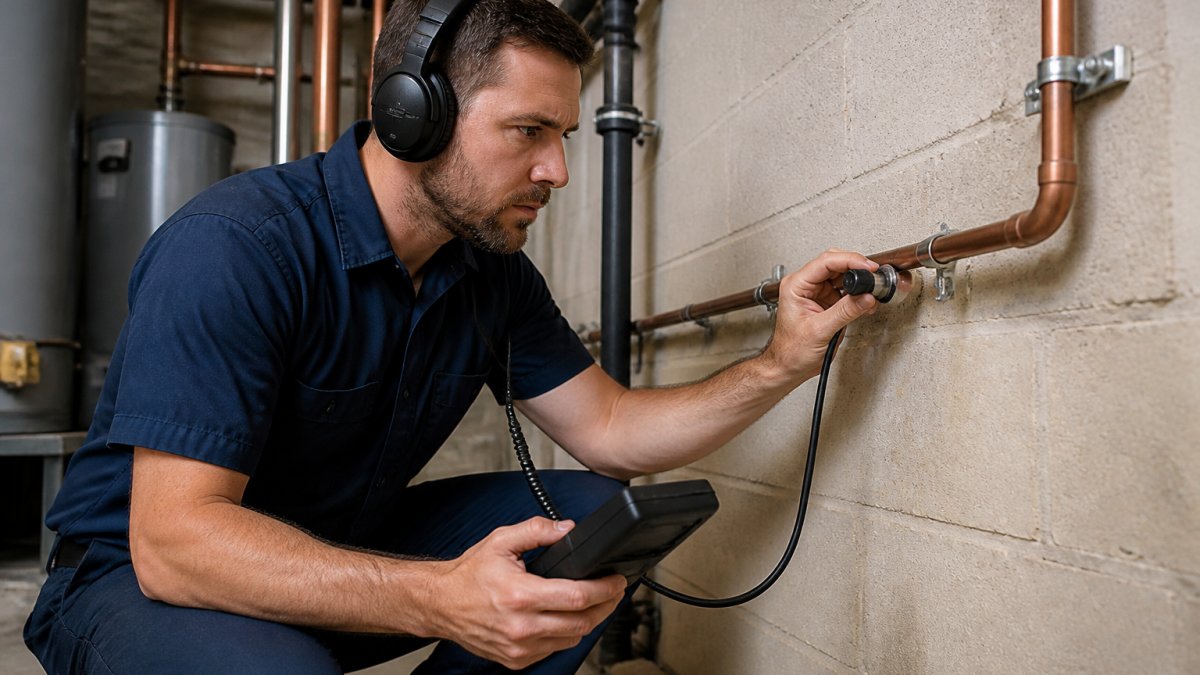
Early detection means early repair. A small pinhole leak caught during routine maintenance gets patched before it becomes a rupture. A slow drain identified during inspection gets cleared before it backs up and damages your property. The difference between catching a problem early and discovering it after damage is substantial.
Commercial plumbing leak detection also prevents water waste. Many buildings waste thousands of gallons annually through slow leaks nobody noticed. Fixing these leaks reduces your water bills and your environmental impact simultaneously.
When you suspect a leak, don’t wait. Contact a professional who can assess the situation quickly. The longer a leak goes undetected, the more damage accumulates. Water damage remediation costs far more than leak repair.
Operational Efficiency and Regulatory Compliance Through Maintenance
A well-maintained commercial plumbing system operates at peak efficiency. This means optimal water pressure, consistent water temperature, and reliable drainage. When your systems run efficiently, your business runs smoothly. Tenants are satisfied. Customers experience reliable facilities. Operations proceed without interruption.
Regulatory compliance is another critical benefit of commercial plumbing maintenance. Building codes and health regulations require functional plumbing systems. Restaurants need grease traps that work properly. Office buildings need backflow prevention. Healthcare facilities need specific water quality standards (the CDC). Regular maintenance ensures you meet all applicable requirements.
Documentation of your commercial plumbing maintenance demonstrates compliance to inspectors and regulators. When an official visits your property, you can show records of regular inspections, component replacements, and system testing. This documentation proves you take facility management seriously.
Many jurisdictions require annual plumbing inspections for commercial properties. Staying ahead of these requirements through consistent maintenance means you’re always inspection-ready. You won’t discover violations at the last moment that require emergency correction.
Maintenance also protects your business from liability. If a plumbing failure causes property damage or injury, documentation of regular maintenance demonstrates that you acted responsibly. This protection extends to your insurance coverage, many policies require evidence of proper maintenance.
Commercial plumbing maintenance isn’t optional for business owners and property managers. It’s the foundation of operational reliability and cost control. When you partner with a licensed professional who understands commercial systems, you gain peace of mind knowing your facility’s most critical infrastructure is protected.
At IRC Plumbing, we’ve helped businesses across the region build maintenance programs that work. Our team brings over 21 years of experience diagnosing problems before they become emergencies, and we understand how commercial systems differ from residential ones. Whether you need to establish a new maintenance plan, schedule routine inspections, or address an immediate concern, we’re here to help keep your business running smoothly. Schedule a Service with us today to discuss how commercial plumbing maintenance benefits your specific operation.
Frequently Asked Questions
What are the main benefits of preventive commercial plumbing maintenance?
Preventive maintenance reduces emergency repairs by catching small problems before they become costly failures. Regular inspections identify leaks, corrosion, and blockages early, minimizing downtime for your business. You also extend the lifespan of your plumbing system, improve water efficiency, maintain code compliance, and avoid the stress of unexpected shutdowns. Properties with structured maintenance plans experience fewer disruptions and better operational predictability.
How often should a commercial plumbing system be inspected?
Most commercial properties benefit from inspections at least twice per year, though frequency depends on building age, usage intensity, and water quality. Older buildings or those with heavy water usage may need quarterly inspections. Annual inspections are the minimum standard for compliance and risk management. Your plumbing partner can assess your specific property and recommend an inspection schedule that fits your operational needs and building characteristics.
What should be included in a commercial plumbing maintenance checklist?
A comprehensive checklist covers water pressure testing, drain line cleaning, valve operation and lubrication, water heater inspection, backflow prevention device testing, leak detection throughout the system, pipe condition assessment, and fixture functionality checks. It should also include documentation of all work performed and any recommendations for repairs. A detailed checklist ensures nothing is overlooked and provides a record for regulatory compliance and future reference.
Can commercial plumbing leak detection prevent business interruptions?
Yes. Professional leak detection identifies problems in walls, under floors, and in hidden pipe runs before they cause visible damage or system failure. Early detection stops small leaks from becoming major water loss, property damage, or complete system shutdowns. This proactive approach keeps your business operating normally, protects inventory and equipment, and avoids the expense and chaos of emergency repairs. Detecting leaks early also prevents mold growth and structural damage.