Table of Contents
- Why Commercial Plumbing Maintenance Matters for Property Managers
- Building a Commercial Plumbing Maintenance Checklist
- Creating a Commercial Plumbing Maintenance Schedule
- Developing a Commercial Plumbing Emergency Response Plan
- Maintaining a Commercial Plumbing Maintenance Log Template
- Common Plumbing Issues Property Managers Should Monitor
- When to Call a Licensed Professional
- Frequently Asked Questions
Last Updated: October 13, 2026
Why Commercial Plumbing Maintenance Matters for Property Managers
Property managers juggle dozens of systems. The plumbing infrastructure is often the one that gets overlooked until something breaks. Commercial plumbing maintenance isn’t optional, it’s the difference between a smoothly running building and a crisis that disrupts tenants and drains your budget.
At IRC Plumbing, we work with property managers across the Treasure Coast who understand that preventive maintenance saves money. A small leak caught during a routine inspection costs far less to repair than water damage spreading through walls and ceilings. The same applies to worn fixtures, corroded pipes, and pressure issues that compound over time.
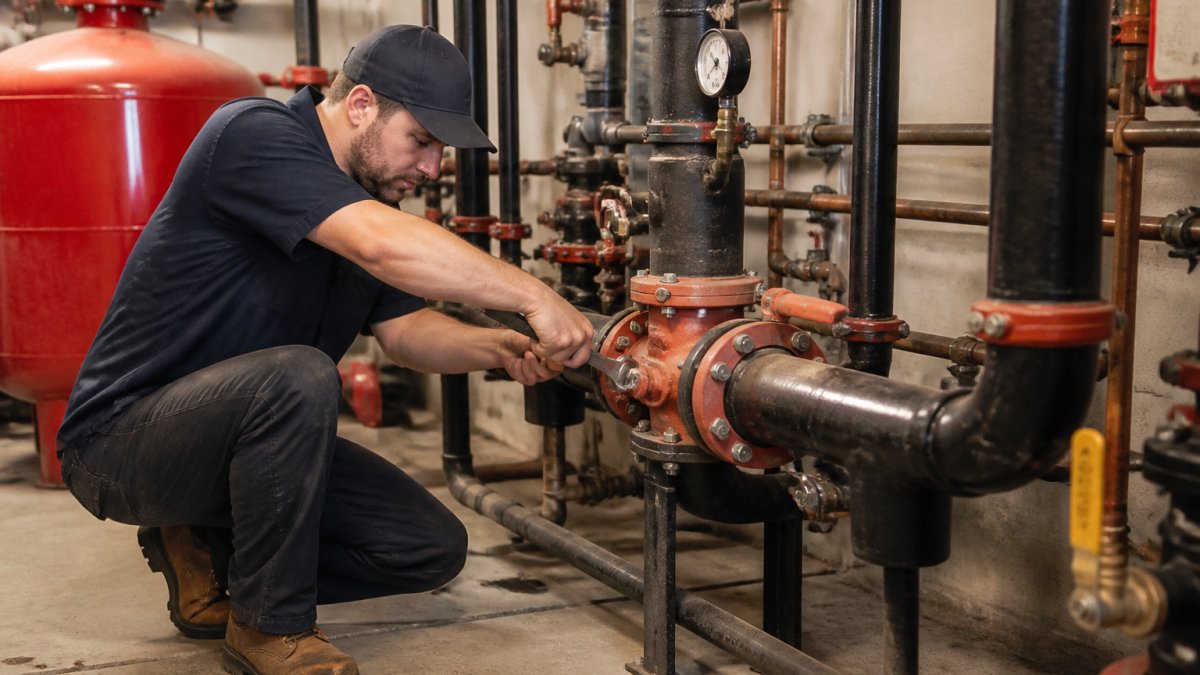
Commercial plumbing systems are more complex than residential ones. Multiple units, higher water demand, stricter code compliance, and shared infrastructure mean that a failure in one area affects everyone. Regular commercial plumbing maintenance protects your property, reduces emergency calls, and keeps tenants satisfied. It’s not a luxury, it’s a core responsibility of property management.
Building a Commercial Plumbing Maintenance Checklist
A solid maintenance checklist is your first line of defense. It transforms plumbing care from reactive scrambling into systematic prevention. The goal is to catch problems before they become emergencies.
Monthly Inspection Points
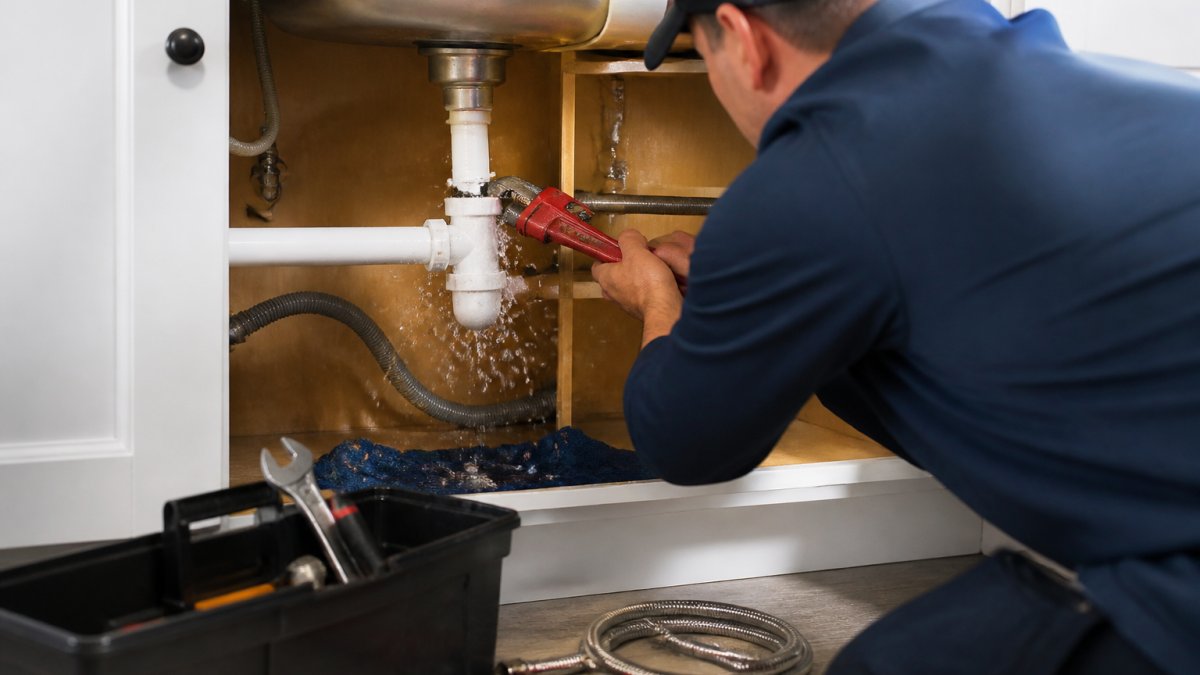
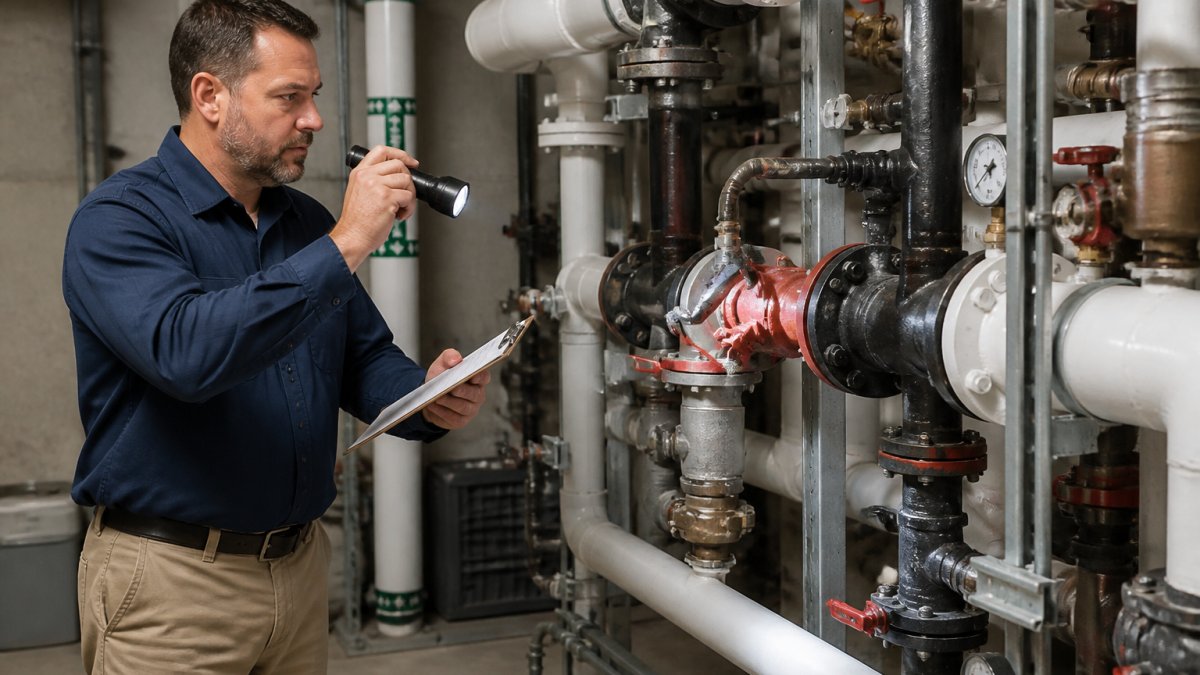
Walk through your building once a month with a checklist in hand. Look for visible leaks under sinks, around toilets, and in mechanical rooms. Check water pressure at multiple fixtures, if it’s inconsistent or weak, something’s wrong upstream. Listen for unusual sounds: hissing, banging, or grinding often signals trouble.
Inspect exposed pipes for corrosion, mineral buildup, or discoloration. Test all drains by running water and watching for slow drainage or backups. Check the condition of visible shut-off valves and make sure they’re accessible. Document everything you see, even minor issues. Over time, your notes reveal patterns that help you predict failures.
Quarterly and Annual Tasks
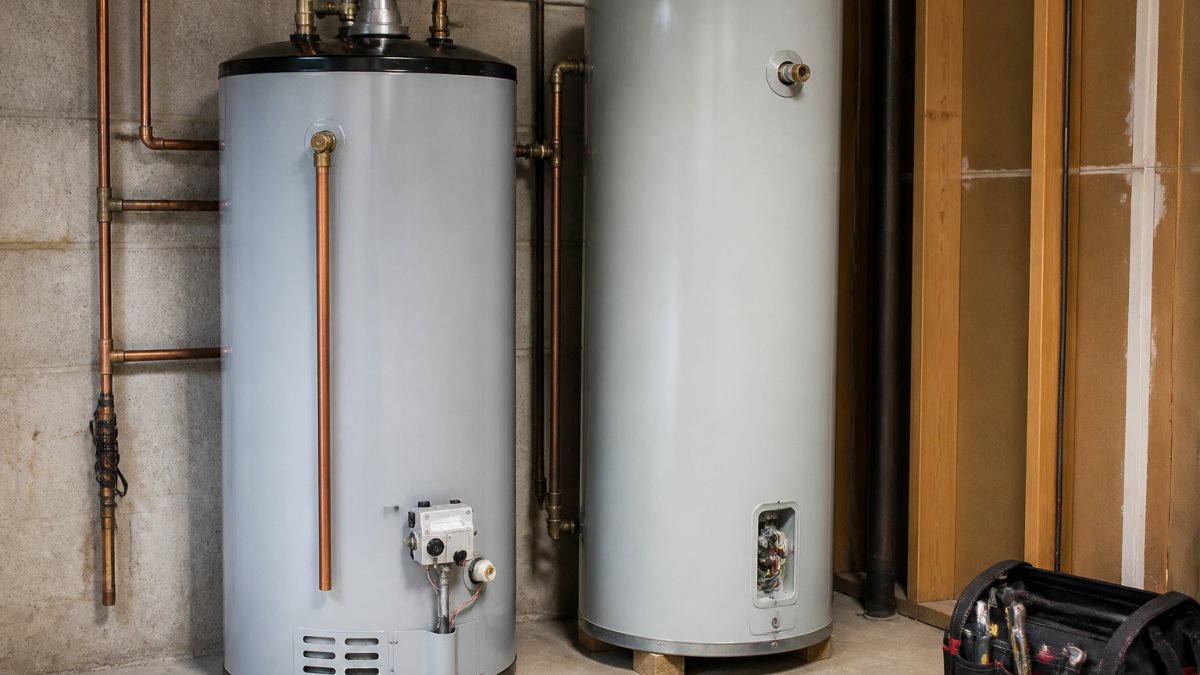
Every quarter, have a licensed professional inspect the main water line, pressure regulators, and water heater. These components wear gradually and benefit from expert eyes. Annual tasks include cleaning strainers and aerators, flushing sediment from the water heater, and inspecting backflow prevention devices.
Once a year, conduct a thorough inspection of all accessible plumbing in mechanical rooms, basements, and crawl spaces. Look for signs of water damage, corrosion on metal pipes, or cracks in concrete floors that might indicate underground leaks. Test water quality if you have complaints about taste or appearance. Check sump pumps and drainage systems, especially before heavy rain season.
Creating a Commercial Plumbing Maintenance Schedule
A schedule keeps maintenance from slipping through the cracks. Without one, months pass and critical tasks get forgotten. Your schedule should align with seasonal needs and building occupancy patterns.
Start by listing every major component: water heater, main shutoff, pressure regulator, water softener, backflow preventer, sump pump, and all visible pipes. Assign a frequency to each, monthly, quarterly, or annual. Mark these dates on a calendar or maintenance management system so nothing gets missed. Include both visual inspections and professional service calls.
Consider your building’s age and history. Older buildings with aging pipes need more frequent attention. Buildings with recent upgrades can follow standard intervals. If you’ve had problems in a particular area, increase inspection frequency there. Seasonal changes matter too: freeze protection checks before winter, drainage system checks before spring rains.
Developing a Commercial Plumbing Emergency Response Plan
Emergencies happen despite your best prevention efforts. A burst pipe, backed-up sewer, or sudden water heater failure can strike at 2 a.m. on a holiday. An emergency response plan means you’re not scrambling to figure out what to do when it happens.
Key Components of Your Response Plan
Identify your emergency contact, a licensed plumber you trust who responds quickly. Have their number posted in multiple locations and in your phone. Include 24/7 contact details. Know where your main water shutoff is located and how to operate it. Every property manager should be able to shut off water in under two minutes.
Create a list of secondary contacts: a backup plumber, building engineer, and your insurance company. Document what to do in specific scenarios. For a burst pipe: shut off water, alert tenants, call the plumber, document damage with photos. For a backed-up sewer: restrict water use, prevent further backups, call the plumber. For a water heater failure: assess if it’s an immediate threat, contact the plumber, arrange temporary solutions if needed.
Train your maintenance staff and building engineers on the response plan. They may discover the problem first and need to act quickly. Make sure they know how to safely shut off water and when to call for professional help. A well-trained team prevents panic and reduces damage.
Communication and Documentation
When an emergency occurs, document everything. Take photos of the damage, note the time you discovered the problem, record what you did to contain it. This documentation helps with insurance claims and prevents disputes with tenants.
Contact affected tenants promptly with facts: what happened, what you’re doing about it, when you expect resolution. Keep them updated. Silence breeds frustration. Tenants accept problems better when they know you’re actively addressing them.
After the emergency, document the cause and what was repaired. Add this information to your maintenance log. Use it to prevent similar failures: if a pipe burst because of freeze damage, upgrade insulation before next winter. If a drain backed up due to tree roots, schedule regular camera inspections.
Maintaining a Commercial Plumbing Maintenance Log Template
A maintenance log is your institutional memory. It tracks what’s been done, when, by whom, and what the results were. Over months and years, this log reveals patterns and helps you make informed decisions about repairs versus replacement.
Your log should include: date of service, type of work performed, who performed it, findings and observations, repairs made, parts replaced, and cost if applicable. Note any recommendations from the service provider. Include photos of problems and solutions if helpful.
Use a simple spreadsheet or maintenance management software. Digital logs are searchable and easier to maintain than paper. They’re also easier to share with tenants, insurance companies, or new property managers if needed.
Review your log quarterly. Are certain fixtures failing repeatedly? That’s a sign they need replacement. Are certain areas consistently problematic? Budget for upgrades. Is the frequency of calls increasing? That suggests aging infrastructure that may need attention. The log doesn’t just record history, it informs strategy.
Common Plumbing Issues Property Managers Should Monitor
Water pressure problems often signal issues downstream. Low pressure everywhere suggests a main line issue or water supply problem. Low pressure in one area points to a clogged line or failing fixture. High pressure causes leaks and premature failure of fixtures and seals.
Corrosion appears as discoloration, pitting, or white mineral deposits on pipes. Copper pipes develop green patina. Steel pipes rust. Corrosion weakens pipes and eventually causes leaks. It’s not a cosmetic issue, it’s structural deterioration. Slow drains indicate buildup inside pipes. Backing up indicates blockages. Both get worse without intervention.
Running toilets waste water and inflate your bills (the EPA). They signal worn internal components. Leaking faucets do the same. These seem minor but add up quickly. Addressing them demonstrates attention to detail and cost control.
Unusual odors from drains suggest bacterial growth or blockages. Discolored water indicates corrosion or sediment. Strange noises, banging, whistling, or grinding, signal pressure issues, water hammer, or mechanical problems. None of these should be ignored.
When to Call a Licensed Professional
Some inspections you can do yourself. Others require professional expertise and equipment. Know the difference.
Call a professional for water heater service, backflow prevention testing, main line inspection and cleaning, pressure regulator adjustment, and any repair involving soldering or welding. Professionals have the tools, knowledge, and licensing to do these safely and correctly.
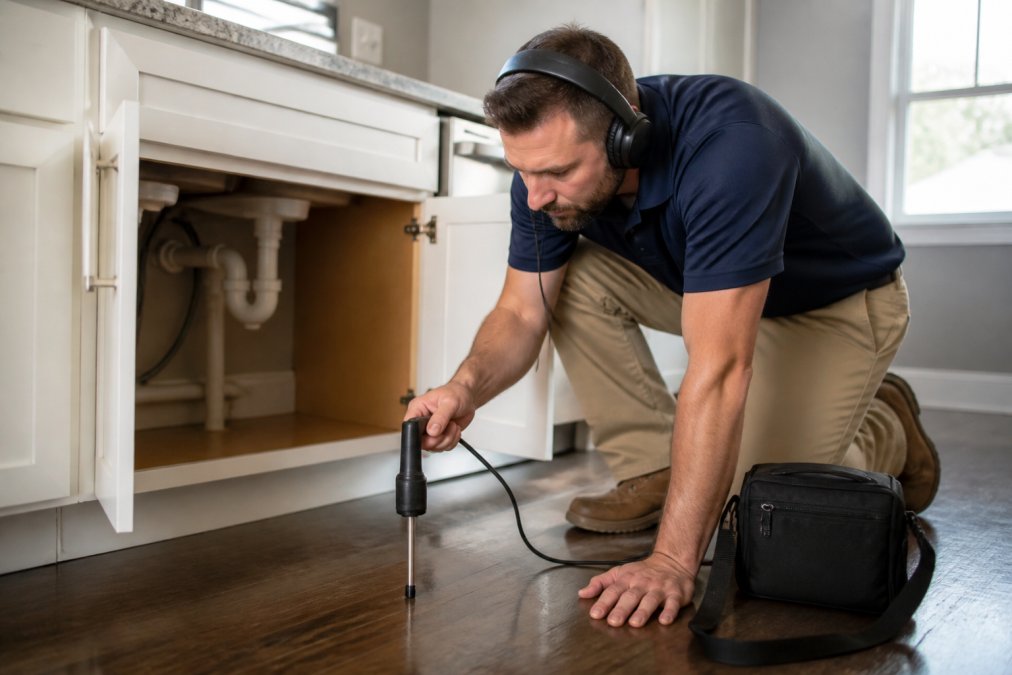
A camera inspection of sewer lines is essential when you suspect blockages or damage. Only professionals have the equipment. Pressure testing and leak detection often require professionals too. If you suspect a leak but can’t locate it, a professional with detection equipment can pinpoint it without tearing up walls.
When a tenant reports a problem you can’t diagnose, call a professional. It’s better to invest in a diagnostic visit than to guess wrong and make the problem worse. Professional documentation also protects you if disputes arise.
Commercial plumbing maintenance protects your building, your tenants, and your bottom line. A systematic approach, regular inspections, a solid maintenance schedule, clear documentation, and a trusted professional partner, prevents crises and extends the life of your plumbing infrastructure. When you need professional service in Sebastian and the surrounding area, IRC Plumbing brings over 21 years of experience and a commitment to efficient diagnosis and reliable repairs. Our family-owned team understands commercial systems and responds quickly when issues arise. Schedule a Service with IRC Plumbing and let us help you keep your building running smoothly.
Frequently Asked Questions
What should a commercial plumbing maintenance plan include?
A comprehensive commercial plumbing maintenance plan includes regular inspections of pipes, fixtures, and drainage systems; preventive cleaning of drains and lines; water pressure and temperature monitoring; backflow prevention testing; and documentation of all work performed. The plan should specify inspection frequency, responsible parties, emergency contact procedures, and a maintenance log to track all service history. This ensures issues are caught early before they become costly emergencies.
How often should commercial plumbing systems be inspected?
Commercial plumbing systems should be inspected at minimum monthly for visible leaks, water pressure issues, and fixture functionality. Quarterly inspections should include drain line cleaning and water quality checks. Annual professional inspections by a licensed plumber are essential to assess the overall system health, test backflow prevention devices, and identify wear patterns. Older buildings may require more frequent inspections.
How can property managers prevent plumbing emergencies in commercial buildings?
Prevention starts with consistent maintenance: keep drains clear, monitor water pressure, inspect pipes for corrosion, and address small leaks immediately. Install water monitoring systems to detect unusual usage patterns. Educate tenants about proper usage and what not to flush. Maintain a relationship with a licensed plumber for quick response times. Stock basic supplies like plungers and shut-off valve keys. Document all maintenance and repairs to spot recurring problems early.
What should property managers do when a tenant reports a plumbing leak?
Act quickly to minimize water damage. First, locate and shut off the water supply to the affected area if possible. Document the leak with photos and notes about when it started and where water is pooling. Contact a licensed plumber immediately for diagnosis and repair. Notify insurance and other affected tenants if necessary. Log the incident in your maintenance records with the date, location, cause, and repair details. Use this information to identify patterns and prevent future occurrences.
Which plumbing maintenance records should property managers keep?
Maintain detailed records including inspection dates and findings, all repair and replacement work completed, parts replaced and their lifespan, water usage trends, backflow prevention test results, drain cleaning schedules, and any tenant-reported issues. Keep records of service provider contact information and licensing verification. These records help you track system health, plan budgets, prove compliance with building codes, support insurance claims, and demonstrate due diligence to owners and auditors.
When should a property manager call a licensed commercial plumber?
Call immediately for emergencies: burst pipes, major leaks, no water pressure, sewage backups, or gas odors. Schedule professional visits for annual inspections, backflow prevention testing, drain line cleaning, water heater maintenance, and any repairs beyond simple fixture adjustments. When you discover corrosion, persistent leaks, recurring clogs, or aging pipes, a licensed professional can assess whether replacement is needed. Never attempt major repairs yourself; commercial systems are complex and improper work can create liability issues.
How does commercial plumbing maintenance differ from residential?
Commercial systems handle higher water volume and pressure, serve more users. Commercial properties typically require backflow prevention devices, grease traps, more complex drainage systems, and regular professional inspections. Failure impacts business operations and multiple tenants, making preventive maintenance more critical. Commercial systems often have longer service life expectations, so maintenance logs and planning become essential for budgeting and risk management.