Table of Contents
- What Licensed Commercial Plumbing Services Include
- How to Verify a Plumbing License and Credentials
- Emergency Commercial Plumbing Repairs: Response and Resolution
- Commercial Plumbing Maintenance Checklist for Property Managers
- Drain Cleaning, Sewer Inspection, and Line Replacement
- Water Heater Installation, Maintenance, and Backflow Prevention
- Compliance, Permits, and Code Requirements
- Why Licensed and Insured Matters for Your Business
- Frequently Asked Questions
Last Updated: September 21, 2026
What Licensed Commercial Plumbing Services Include
Licensed commercial plumbing services encompass a broad range of specialized work designed to keep business operations running smoothly. Unlike residential plumbing, commercial systems handle higher volumes, more complex configurations, and stricter regulatory requirements. A licensed commercial plumbing contractor manages everything from routine maintenance to emergency repairs, new installations, and system diagnostics.
The scope typically includes drain cleaning and sewer inspection, water heater installation and maintenance, leak detection and pipe repair, backflow prevention devices, grease trap maintenance for commercial kitchens, and re-piping projects. Many commercial properties also require plumbing code compliance work and facility management support to ensure systems meet local building permits and safety standards.
At IRC Plumbing, we’ve handled commercial projects across the Treasure Coast, from small office buildings to multi-unit properties. Our team understands that downtime costs money, which is why we prioritize efficiency and minimize disruption to your business operations.
Commercial plumbing systems often fail at predictable points. Regular preventative maintenance catches problems before they become emergencies, and emergencies in commercial settings can shut down your entire operation.
How to Verify a Plumbing License and Credentials
Verifying a plumbing license and credentials protects your business from unlicensed work and liability exposure. Before hiring any contractor, confirm their license status through official state records and check that they carry current liability insurance.
Start by requesting the contractor’s license number and verification of their insured status. Many states maintain online license lookup systems where you can confirm active status, license type, and any disciplinary history. Ask for references from recent commercial clients and follow up with at least two of them. A reputable contractor will provide names and contact information without hesitation.
Check whether the contractor carries workers’ compensation insurance if they employ staff. This protects you if someone is injured on your property. Request proof of general liability insurance with limits appropriate for commercial work. Licensed and insured professionals understand these requirements and maintain current documentation as standard practice.
Unlicensed plumbers may charge less upfront, but they expose your business to code violations, failed inspections, and liability if something goes wrong. The cost difference rarely justifies the risk.
Emergency Commercial Plumbing Repairs: Response and Resolution
Emergency commercial plumbing repairs demand fast response times and immediate problem-solving. When a pipe bursts, a main line backs up, or a water heater fails, every hour of delay costs your business money and customer satisfaction. Licensed emergency plumbing services operate around the clock to address these critical situations.
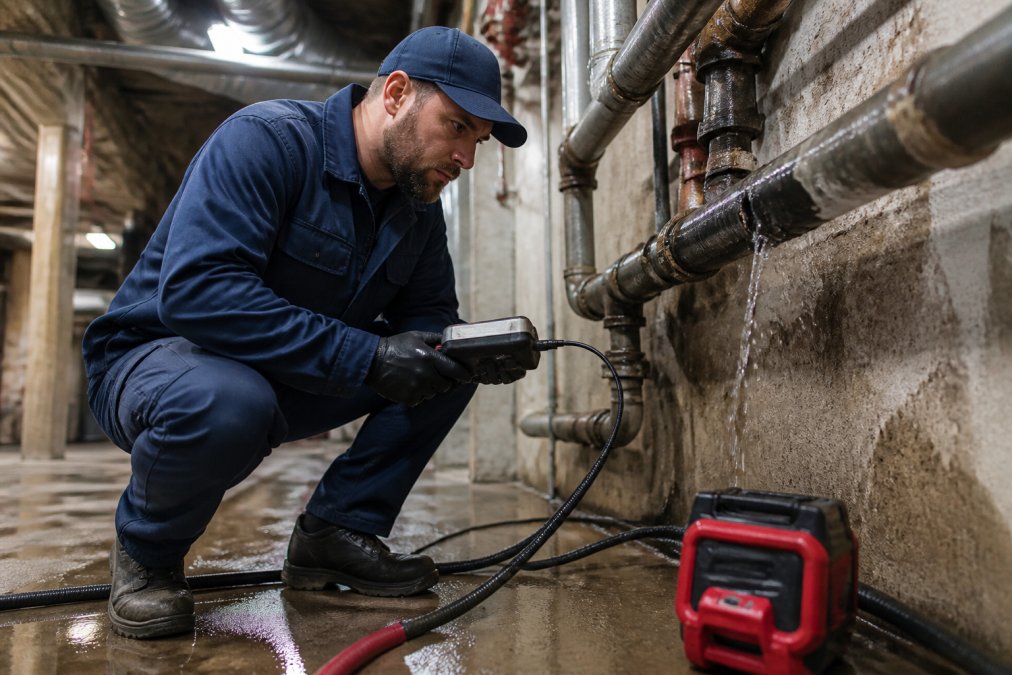
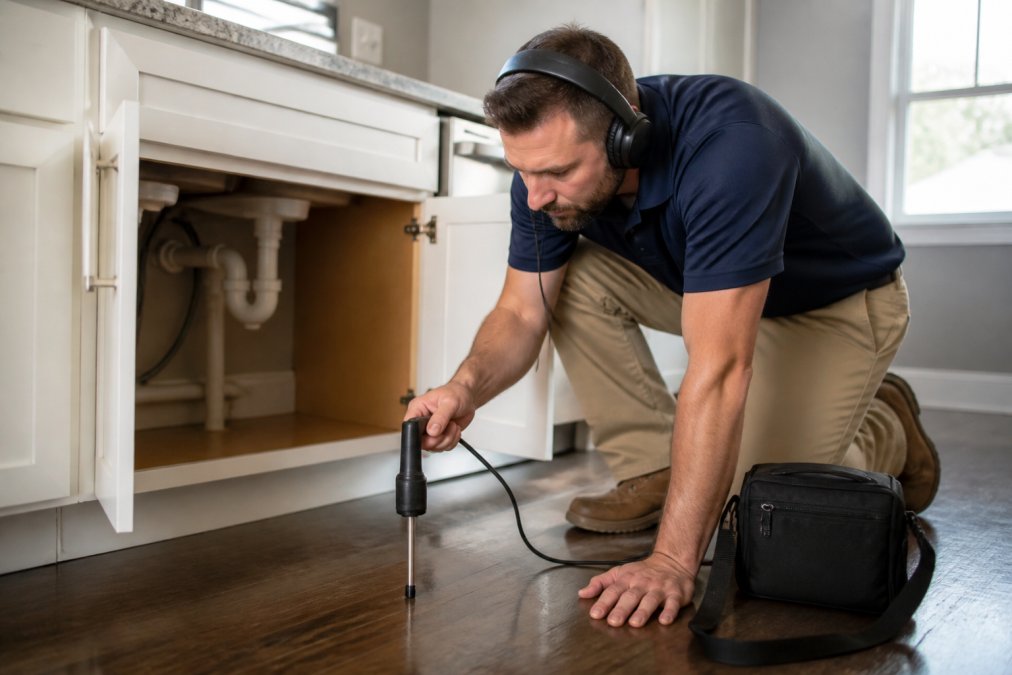
The first step in emergency resolution is accurate diagnosis. A licensed technician will identify the root cause quickly using specialized equipment like camera inspection systems and pressure testing tools. This prevents guesswork and unnecessary damage to walls or floors. Once the problem is identified, the contractor can explain repair options and costs before proceeding.
Response time varies by location and demand, but professional commercial plumbing services aim for timely arrival for true emergencies. The key is having a trusted contractor on your contact list before an emergency happens. Many businesses establish service relationships with licensed providers specifically so they have a known contact when crisis strikes.
Commercial Plumbing Maintenance Checklist for Property Managers
A structured preventative maintenance checklist reduces emergency repairs and extends the life of your plumbing system. Property managers should conduct monthly, quarterly, and annual inspections to catch problems early.
Monthly Inspections:
- Check for visible leaks under sinks and around fixtures
- Test all drains for slow drainage or unusual sounds
- Inspect water heater for leaks or corrosion
- Look for water stains on ceilings or walls indicating hidden leaks
Quarterly Tasks:
- Flush drains with appropriate cleaning methods
- Test backflow prevention devices for proper operation
- Check water pressure at multiple fixtures (should be 40-80 PSI)
- Inspect exposed pipes for corrosion or damage
Annual Professional Inspections:
- Schedule a licensed plumber to conduct full system diagnostics
- Have sewer lines inspected with camera equipment
- Test and service water heater systems
- Review and update facility documentation
Most commercial plumbing emergencies are preventable with consistent maintenance. A small investment in regular inspections saves thousands in emergency repairs and business interruption.
Drain Cleaning, Sewer Inspection, and Line Replacement
Drain cleaning and sewer inspection are critical for commercial properties where backup or failure can halt operations. Regular drain cleaning prevents buildup that leads to clogs, while sewer inspection identifies problems before they become emergencies.
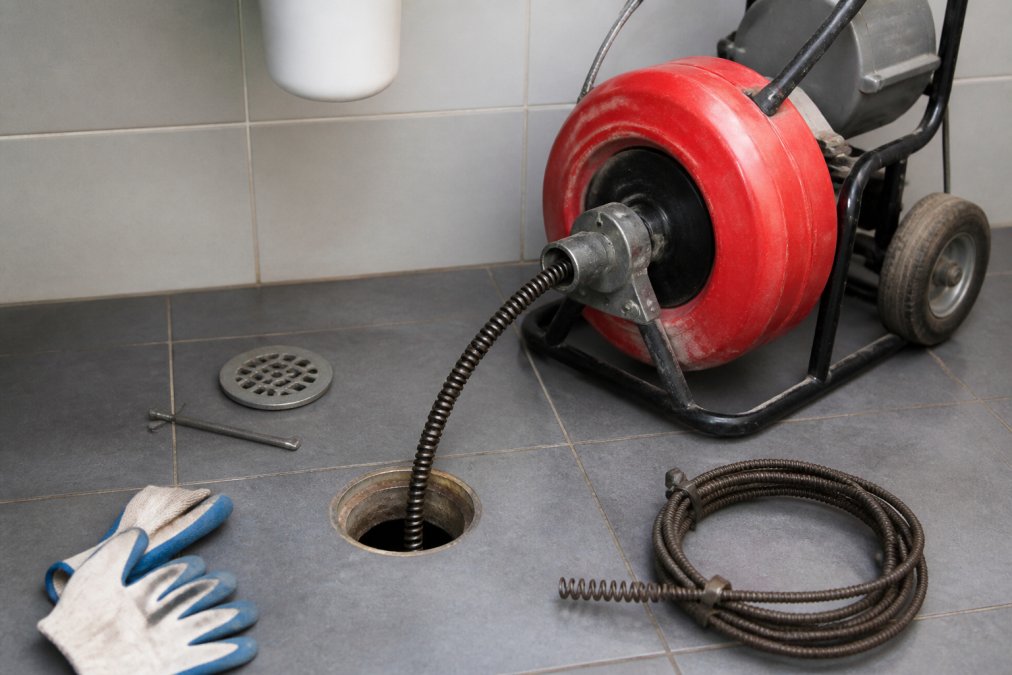
Professional drain cleaning uses methods appropriate for commercial systems. Hydro-jetting, high-pressure water cleaning, removes grease, mineral deposits, and debris from pipes without damaging the system. Camera inspection allows technicians to see inside pipes and identify cracks, root intrusion, or collapsed sections that require replacement.
Sewer line replacement becomes necessary when inspection reveals severe damage. A licensed contractor will discuss options like traditional excavation or trenchless technology, which minimizes disruption to your property. The choice depends on the damage location, soil conditions, and your budget.
Water Heater Installation, Maintenance, and Backflow Prevention
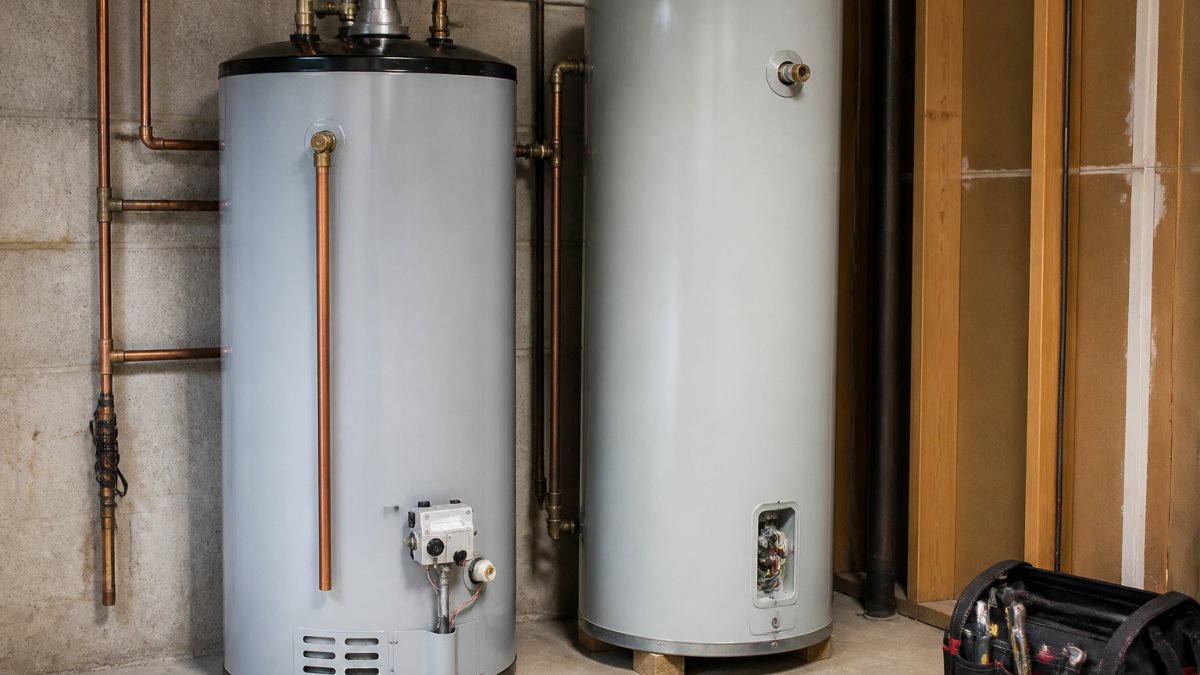
Water heater installation in commercial settings requires proper sizing, code-compliant installation, and integration with backflow prevention systems. An undersized water heater creates bottlenecks; an oversized one wastes energy. A licensed plumber calculates the right capacity based on your facility’s peak demand.
Maintenance extends water heater life and prevents failure. Annual flushing removes sediment buildup that reduces efficiency and creates corrosion. Temperature and pressure relief valve testing ensures safety. For tankless systems, descaling removes mineral deposits that reduce performance.
Backflow prevention devices protect public water supplies from contamination. Commercial properties typically require these devices, and local building permits mandate their installation. Regular testing confirms the device functions properly. A licensed plumber understands these requirements and ensures compliance.
Compliance, Permits, and Code Requirements
Commercial plumbing work must comply with local building codes and permit requirements specific to the jurisdiction. These regulations exist to protect public health, ensure safety, and maintain system reliability. A licensed contractor knows the codes that apply in your area and obtains required permits before work begins.
The Florida Building Code (FBC), which governs plumbing installations in this region, incorporates the International Plumbing Code (IPC) with state-specific amendments. Key compliance areas include:
Backflow Prevention and Cross-Connection Control, The FBC requires backflow prevention devices on all commercial water supplies that pose a contamination risk. This is non-negotiable for food service establishments, medical facilities, and properties with irrigation systems. Annual testing and certification of these devices is mandatory, and failure to maintain them can result in fines and loss of water service.
Water Pressure and Flow Requirements, Commercial fixtures must maintain water pressure between 20 and 80 PSI under normal conditions. Properties exceeding 80 PSI require pressure-reducing valves; those below 20 PSI need booster pumps. Code inspectors verify these settings during rough-in and final inspections.
Grease Trap and Interceptor Standards, Food service facilities must install grease traps sized according to fixture unit load. The FBC specifies minimum trap capacity and requires regular pumping (typically every 30 days for high-volume kitchens). Improper sizing or maintenance violates code and creates liability for the property owner.
Sewer and Drain Slope Requirements, Drainage lines must slope a minimum of 1/4 inch per foot toward the main sewer connection. Insufficient slope causes backups; excessive slope can damage pipes. Code inspectors measure slope during rough-in to verify compliance.
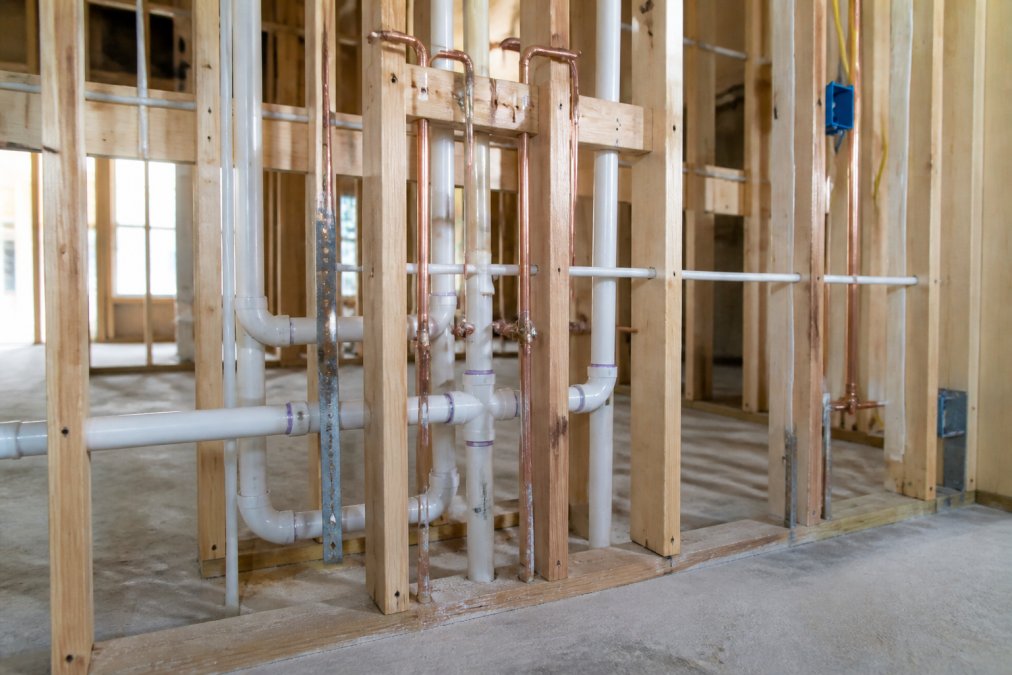
Permit and Inspection Stages, Most commercial plumbing projects require permits and inspections at three key points: rough-in (before walls close), final installation (after all fixtures are set), and completion (before occupancy). Each inspection verifies compliance with specific code sections. Unpermitted work creates problems when you sell the property, renew insurance, or undergo facility audits. It also voids equipment warranties and exposes the property owner to liability if something fails.
Material and Installation Standards, The FBC specifies approved materials for different applications. Copper, PVC, and PEX are common, but each has restrictions based on water temperature, pressure, and location. For example, PVC cannot be used for hot water lines above 140°F. A licensed plumber knows these restrictions and selects materials that will pass inspection and perform reliably.
When you hire a licensed professional, you’re paying for their knowledge of these specific requirements and their commitment to obtaining permits and passing inspections. This protects your business from code violations, failed inspections, and the costly corrections that follow.
Code compliance is not optional, it’s a legal requirement that protects your facility, your tenants, and your liability exposure. A licensed contractor ensures every project meets current code standards and passes inspection the first time.
Why Licensed and Insured Matters for Your Business
Licensed and insured contractors provide protection that unlicensed work cannot. A license indicates the contractor has met training requirements, passed examinations, and maintains ongoing compliance with professional standards. Insurance protects your business if something goes wrong.
Liability insurance covers damage to your property or injury to people on your premises. Workers’ compensation insurance protects employees if they’re injured on your job.
The Financial Case: Service Contracts vs. On-Call Repairs
Documentation and Warranty Protection
Compliance and Risk Mitigation
A preventative maintenance contract can significantly reduce annual costs compared to emergency repairs, plus it eliminates the operational disruption and liability exposure that emergencies create.
Frequently Asked Questions
How do I verify a plumbing contractor’s license?
Check your state’s licensing board website and search the contractor’s name and license number. Request proof of current licensing, insurance, and bonding before hiring. A licensed and insured plumber should provide these credentials without hesitation. Ask for references from recent commercial clients in your area and verify their work directly.
What is the difference between residential and commercial plumbing?
Commercial plumbing handles higher-volume systems, larger pipe diameters, and more complex code requirements than residential work. Commercial systems often include grease traps, backflow prevention devices, and multi-unit configurations. Licensed commercial plumbers understand local building codes, facility management needs, and industrial plumbing standards that residential plumbers may not encounter regularly.
Why is emergency commercial plumbing response time critical?
A burst pipe or major leak in a commercial property can halt operations, damage inventory, and create safety hazards within hours. Fast response prevents costly downtime and water damage. Licensed professionals with 24/7 availability can diagnose the issue quickly and deploy appropriate solutions, minimizing business interruption and protecting your facility.
What should a commercial plumbing maintenance plan include?
A solid maintenance plan covers regular drain cleaning, sewer line inspection via camera, water heater servicing, backflow prevention testing, and pressure regulation checks. Preventative maintenance identifies small issues before they become emergencies, reduces unexpected service calls, and extends the life of your plumbing system. Ask your contractor about service contract options tailored to your facility’s size and usage.