Table of Contents
- Signs of Corroded Home Pipes You Shouldn’t Ignore
- How Pipe Material Affects Corrosion Risk
- Plumbing Pipe Lifespan by Material
- DIY Diagnostic Testing for Pipe Corrosion
- Cost of Whole House Repipe and Repair Options
- Benefits of PEX vs Copper Repiping
- When to Call a Professional Plumber
- Protecting Your Home from Pipe Corrosion
- Frequently Asked Questions
Last Updated: September 30, 2026
Signs of Corroded Home Pipes You Shouldn’t Ignore
Corroded home pipes are a silent threat that often go unnoticed until significant damage occurs. Understanding the warning signs can help you identify problems early and prevent costly water damage. At IRC Plumbing, we’ve spent over 21 years diagnosing plumbing issues, and pipe corrosion remains one of the most common problems we encounter.
Corroded home pipes fail gradually, so you might notice small changes in water quality or pressure weeks before a catastrophic leak develops. Early detection matters because catching problems before they become emergencies saves money and prevents water damage.
Discolored or Cloudy Water
Discolored water is one of the earliest signs of corroded home pipes. Reddish or brownish water indicates iron oxide (rust) from cast iron or galvanized steel pipes, while yellow or orange discoloration suggests advanced oxidization. Cloudy or milky water indicates sediment buildup from mineral deposits.
Fill a clear glass with cold water and observe it. If sediment settles to the bottom, you have significant debris in your lines, which can clog aerators and reduce water flow.
Run your water for 30 seconds before using it for drinking or cooking if you notice discoloration. This flushes out sediment that’s accumulated in the lines closest to your tap. If discoloration persists after this, the problem is deeper in your plumbing system.
Metallic Taste and Odor
Metallic taste or odor in your water indicates corroded home pipes, as corrosion products like copper, iron, and zinc dissolve into your supply. This is particularly common with copper pipes that have developed pinhole leaks. The presence of dissolved metals means corrosion is actively occurring and requires prompt action.
Low Water Pressure Throughout Your Home
Declining water pressure at multiple fixtures indicates corroded home pipes restricting flow. Unlike a single clogged aerator, corrosion affects the shower, kitchen sink, and bathroom vanities simultaneously. Gradual decline suggests ongoing corrosion, while sudden loss may indicate imminent pipe failure.
If pressure drops suddenly and dramatically, turn off your main water supply immediately and call a professional. This can indicate an imminent pipe failure or burst, which can cause severe water damage to your home.
Frequent Clogs and Slow Drains
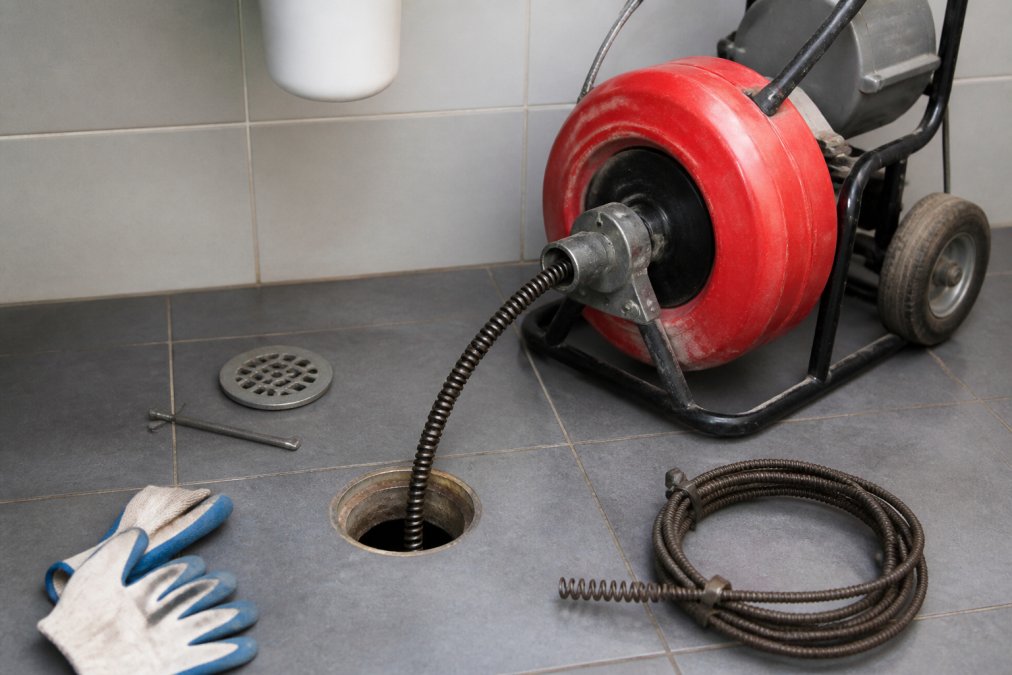
Recurring clogs across multiple drains signal corroded home pipes. Unlike typical single-drain clogs from hair or food, corrosion-related blockages persist throughout your system and return within days or weeks despite chemical cleaners, because mineral buildup hardens on pipe interiors.
Visible Leaks and Water Damage
Visible water stains on ceilings, walls, or under sinks indicate corroded home pipes requiring immediate attention. Pinhole leaks in copper pipes can spray water into wall cavities for weeks before visible damage appears. Check under sinks and basement ceilings regularly for water droplets, wet spots, or discoloration to catch corroded home pipes early.
How Pipe Material Affects Corrosion Risk
Different pipe materials corrode at different rates and in different ways. Understanding your home’s plumbing material helps you predict when problems might develop and what type of corrosion to watch for.
Cast Iron Pipes and Rust Buildup
Cast iron pipes, standard before the 1980s, are highly susceptible to rust and typically last 50-75 years. Rust forms on the inside first, creating reddish-brown discoloration and sediment that clogs drains. By the time you notice problems, corrosion has been progressing for years.
Galvanized Steel and Oxidization
Galvanized steel pipes, common in homes built between 1950 and 1990, are steel pipes coated with zinc to prevent rust. The zinc coating works well initially, but it deteriorates over time, exposing the steel underneath to oxidation.
Galvanized pipes typically last 40-60 years before oxidization becomes problematic. The zinc coating can flake off as it corrodes, creating sediment in your water. Once the zinc layer is compromised, the underlying steel rusts quickly, leading to the same discoloration and pressure problems you’d see with cast iron.
One thing many homeowners don’t realize: galvanized pipes corrode from the inside out. The exterior might look fine while the interior is heavily compromised. This makes visual inspection unreliable for assessing galvanized pipe condition.
Copper Pipes and Pinhole Leaks
Copper pipes resist corrosion better than cast iron or galvanized steel, typically lasting 50-70 years. However, they’re not immune to corrosion problems. Copper develops pinhole leaks when water chemistry is aggressive, particularly if water is acidic or contains high levels of chlorine.
Pinhole leaks in copper pipes are particularly frustrating because they’re small and develop slowly. You might not notice them until water damage appears behind walls or in crawl spaces. Some homes experience dozens of pinhole leaks across their copper plumbing system, making whole-house replacement the only practical solution.
Plumbing Pipe Lifespan by Material
Knowing the expected lifespan of your plumbing helps you anticipate when corroded home pipes might become a problem. These timelines are approximate and vary based on water chemistry, water pressure, and maintenance.
Cast iron pipes typically last 50-75 years. Galvanized steel lasts 40-60 years. Copper pipes usually perform well for 50-70 years. PEX (cross-linked polyethylene) and PVC plastic pipes, which became common after 1990, are expected to last 50+ years, though long-term data is still being collected since they haven’t been in use as long as metal pipes.
If your home is approaching or has exceeded these timelines, having your plumbing professionally evaluated makes sense. A plumber can assess the condition of your pipes and recommend whether repair or replacement is necessary.
DIY Diagnostic Testing for Pipe Corrosion
You can perform several simple tests at home to gather information about your plumbing condition before calling a professional.
Water color test: Collect water samples from different fixtures (kitchen, bathroom, laundry) in clear glasses and observe them in bright light. Note any discoloration, sediment, or cloudiness. Photograph the samples for reference when discussing with a plumber.
Pressure test: Use a water pressure gauge (available at hardware stores) on an outdoor faucet to measure your home’s water pressure. Normal household pressure ranges from 40-80 PSI. If your pressure is below 40 PSI and you’re experiencing low flow at multiple fixtures, corroded pipes may be restricting flow.
Taste and smell test: If your water tastes or smells metallic, fill a glass and let it sit for 24 hours. If the taste or smell improves, the issue is in your pipes. If it persists, the problem might be at the water source.
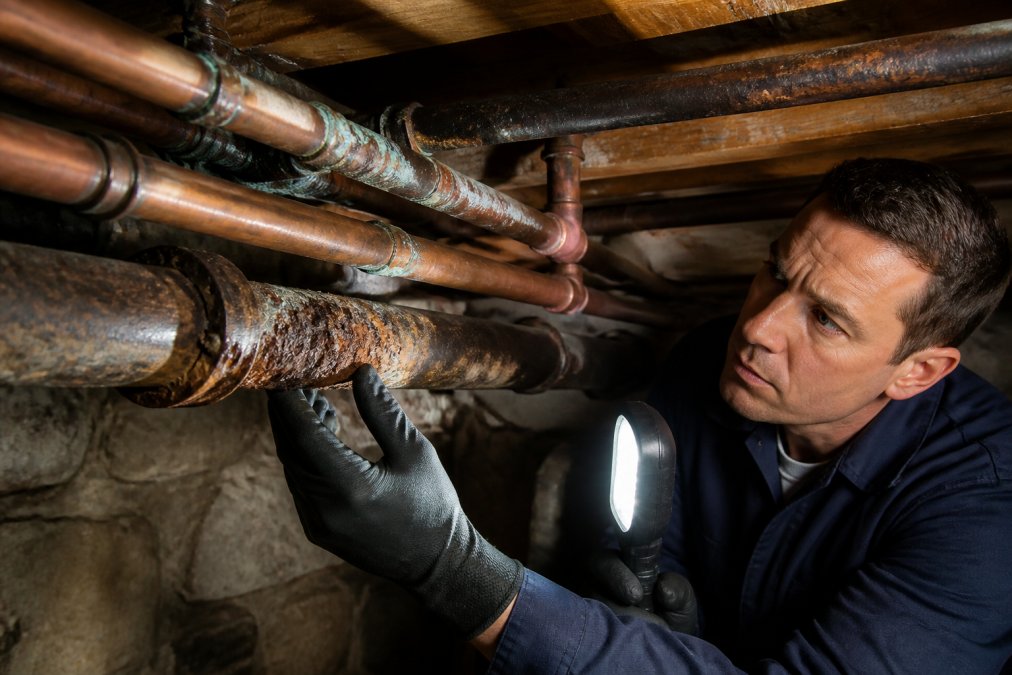
Visual inspection: Look under sinks and in crawl spaces or basements for water stains, corrosion on visible pipes, or small leaks. Check for white, blue-green, or reddish deposits on pipe connections, which indicate active corrosion.
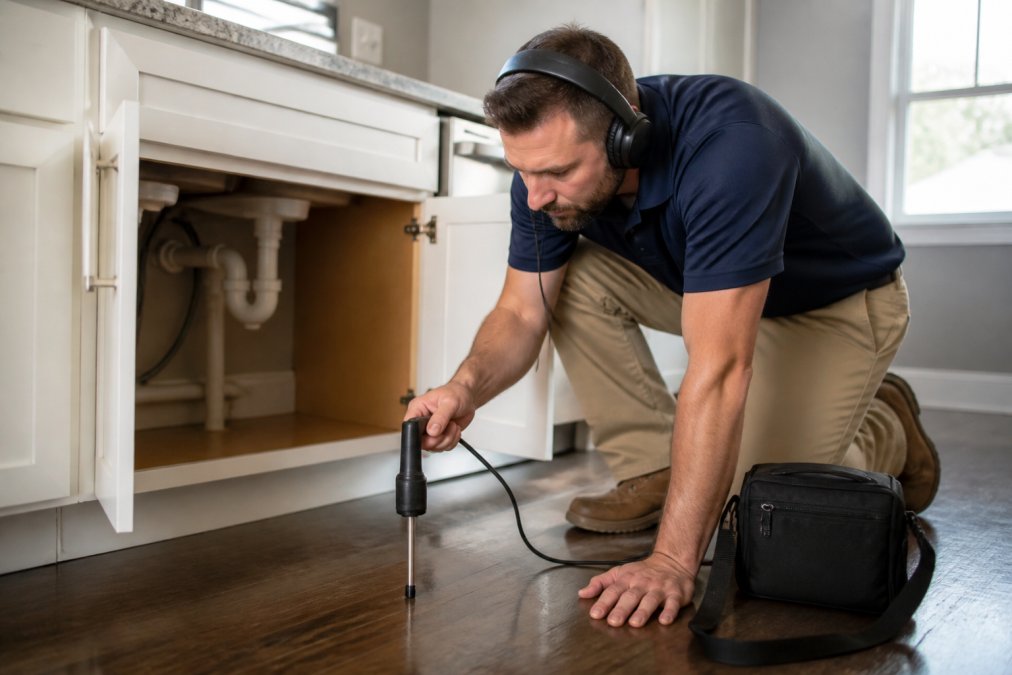
These DIY tests help you gather baseline information, but they can’t replace professional diagnosis. A licensed plumber has tools like video cameras and pressure gauges that reveal problems hidden inside walls and under floors.
Cost of Whole House Repipe and Repair Options
When corroded home pipes require attention, you have several options depending on the severity of the problem. Pricing varies significantly based on your home’s size, pipe material, accessibility, and local labor costs. For specific pricing and a detailed estimate for your situation, contact IRC Plumbing to discuss your home’s unique needs.
Targeted repairs address specific leaks or problem areas without replacing your entire plumbing system. This approach works when corrosion is localized to certain pipes or fixtures. Pipe lining (also called trenchless repair) involves inserting a new pipe coating inside existing corroded pipes without removing them. This is less invasive than full replacement but may not address severe corrosion.
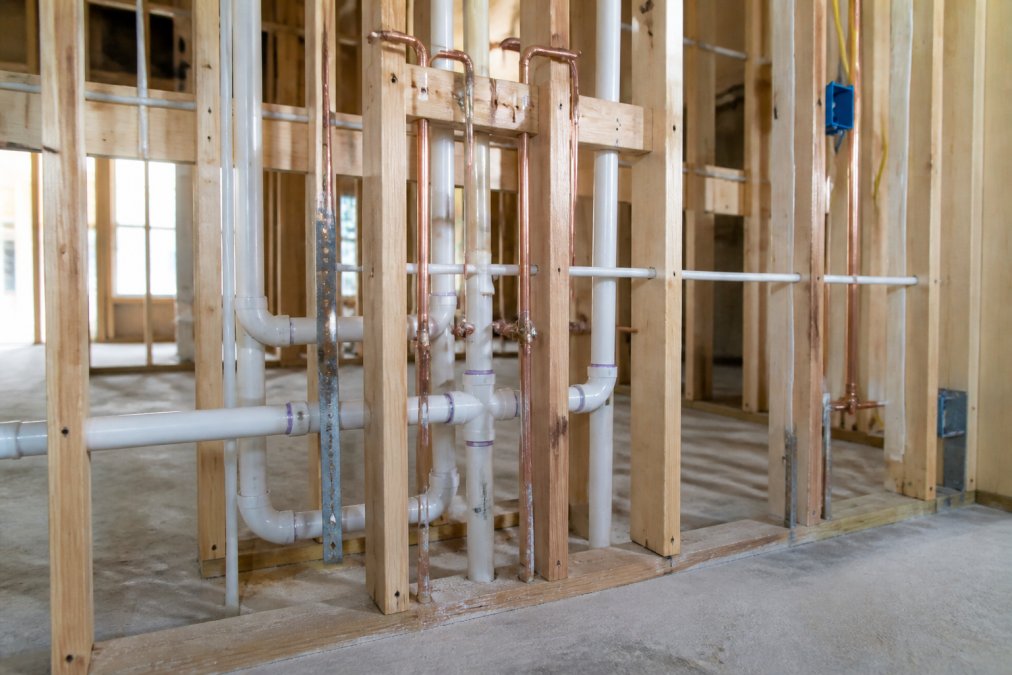
Whole-house re-piping replaces all or most of your plumbing system with new material.
Benefits of PEX vs Copper Repiping
When replacing corroded home pipes, homeowners typically choose between PEX (cross-linked polyethylene) and copper. Each material has distinct advantages.
When to Call a Professional Plumber
You should contact a licensed plumber if you notice any of the warning signs discussed above. Early professional intervention can prevent small corrosion problems from becoming expensive emergencies.
Protecting Your Home from Pipe Corrosion
While you can’t completely prevent pipe corrosion, you can slow it down and catch problems early with proper maintenance.
Frequently Asked Questions
What are the most common signs of corroded home pipes?
The most obvious indicators include discolored water (brown, orange, or cloudy), a metallic taste or smell, low water pressure, and slow drains. You may also notice visible leaks, water stains on walls or ceilings, or rust spots on exposed pipes. If your home has cast iron or galvanized steel pipes over 40-50 years old, corrosion is more likely. A professional plumbing inspection can confirm corrosion using camera technology and water quality testing.
How long do residential plumbing pipes typically last by material?
Copper pipes typically last 50-70 years, PEX pipes 50+ years, and galvanized steel pipes last 40-60 years but frequently fail after 40-50 years due to rust buildup and mineral deposits. Your home’s water chemistry, pH levels, and installation quality all affect actual lifespan. Hard water and acidic conditions accelerate corrosion significantly.
Can corroded pipes cause health issues?
Corroded pipes can leach metals like copper and lead into your water supply, which poses health risks, especially for children and pregnant women. Rust and sediment buildup can harbor bacteria and affect water quality. If you notice metallic taste, discoloration, or low water pressure, have your water tested professionally. Pinhole leaks from corrosion can also cause water damage and mold growth in walls, creating additional health concerns. A licensed plumber can assess your water quality and recommend testing kits or treatment options.
Should I repair individual corroded pipes or replace the entire system?
If only one or two isolated pipes show corrosion, targeted repair may work temporarily. However, if multiple pipes are corroded, the underlying problem (acidic water, age, material failure) will continue damaging other pipes. A whole-house repipe addresses the root cause and prevents future water damage and plumbing failures. The decision depends on your pipe age, material, water chemistry, and budget. A professional plumbing inspection with camera technology can help determine whether repair or replacement is the better long-term solution.