Last Updated: November 26, 2026
Quick Summary
Leak detection is the process of finding where water is escaping a home’s plumbing, whether from a supply line, drain, fixture, or buried pipe. Start with a water meter test: turn off all water use and watch whether the meter moves. Catching leaks early limits water waste and prevents damage to drywall, flooring, and mold growth.
- Turn off every faucet and appliance, then check the meter after one to two hours.
- If the meter keeps moving, shut off the main valve and call a professional.
- Inspect exposed copper pipes for green or blue-green crust, pinholes, and flaky thin spots.
- Corroded copper joints usually need the section replaced rather than patched with tape or sealant.
- Professional methods include acoustic listening, pressure testing, thermal imaging, and video camera inspection.
Table of Contents
- Why Leak Detection Matters Before Damage Spreads
- Hidden Water Leak Signs to Check at Home
- Step 1: Run a Water Meter Leak Test
- How to Inspect Copper Pipes for Corrosion
- How Professional Leak Detection Works
- Water Leak Detection Devices: What Homeowners Can Use
- Booking Your Leak Inspection with IRC Plumbing
- Frequently Asked Questions
Why Leak Detection Matters Before Damage Spreads
Most homeowners in Vero Beach don’t notice a leak until the damage is already visible. A small drip behind a wall or under a vanity can run for months before a stain appears on the ceiling or the floor starts to soften. The fix is usually simpler when a leak is caught early than when it is left to spread.
Leak detection is the process of finding where water is escaping a plumbing system, whether that is a supply line, a drain, a fixture, or a buried pipe. Catching a leak early limits water waste, protects drywall and flooring, and reduces the chance of mold growth. This guide walks you through the checks you can do yourself, and when it makes sense to call a professional.
Hidden Water Leak Signs to Check at Home
Some leaks announce themselves. Others stay hidden until they cause real damage. Start with the signs that are easiest to check:
- Damp or discolored spots on ceilings, walls, or baseboards
- A musty smell in a bathroom, closet, or under a sink
- Cabinet floors that feel soft or swollen
- Water pressure that drops without explanation
- Unusual sounds, such as dripping or hissing, when no fixture is running
- A water bill that rises even though your household habits haven’t changed
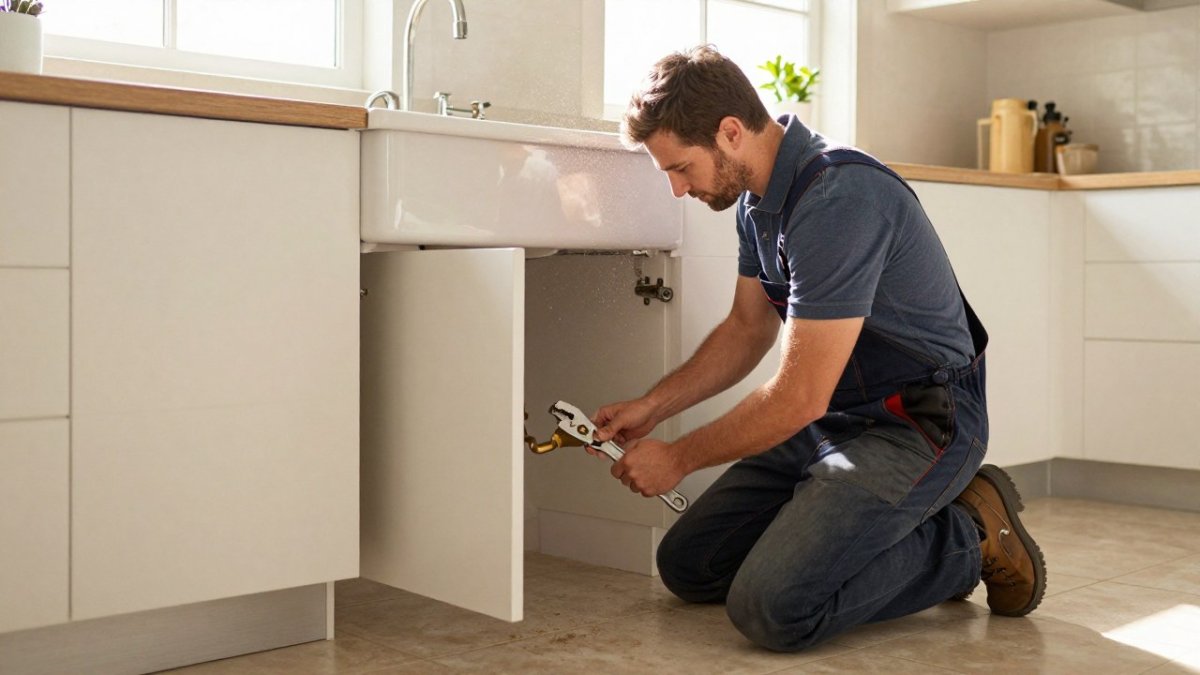
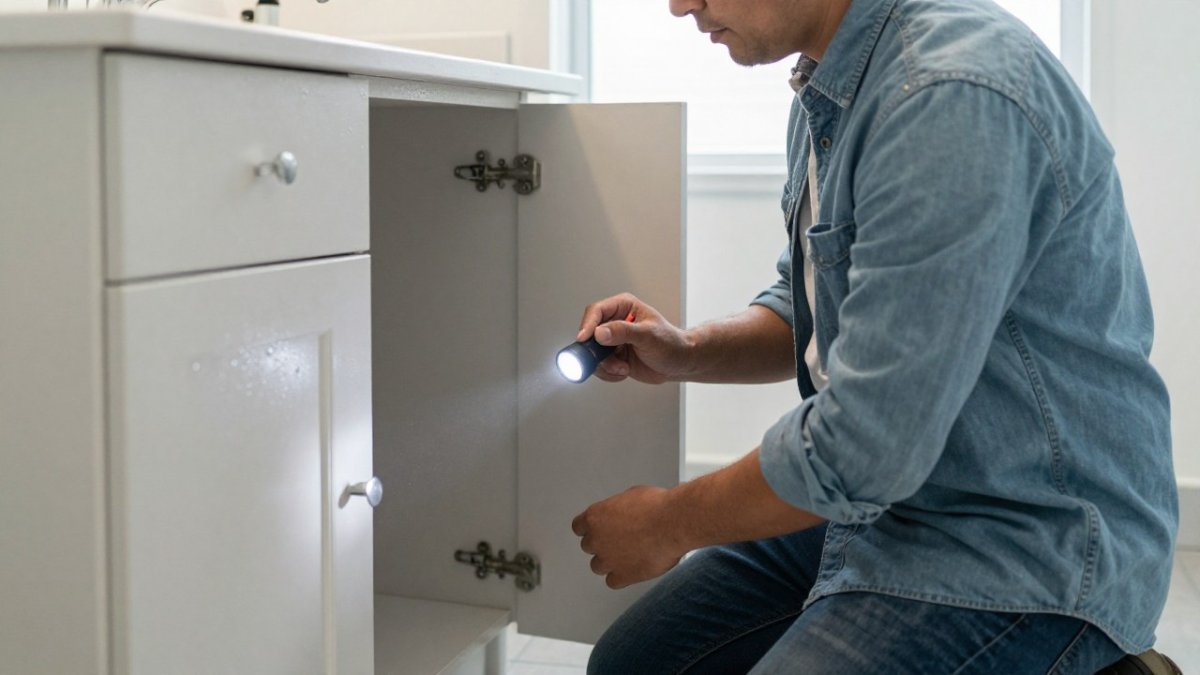
Walk through the house with a flashlight and check under every sink, behind the toilet, and around the water heater. For practical steps to catch and stop leaks early, read prevent plumbing leaks at home. If you find moisture that doesn’t have an obvious source, that’s a good reason to move on to the steps below.
Step 1: Run a Water Meter Leak Test
A water meter test is one of the simplest ways to confirm a leak is present. Turn off every faucet, appliance, and fixture in the home, including the icemaker and irrigation system. Then find your water meter and note the reading on the dial or digital display.
Wait one to two hours without using any water, then check the meter again. If the reading has changed, water is moving somewhere in the system. Keep in mind that some meters have a small leak indicator, often a triangle or a dial that spins. If it moves while everything is off, that is a strong sign of a leak.
Watch out: if the meter keeps moving after a few hours, shut off the main valve and call a professional. A continuous leak can add water damage quickly.
How to Inspect Copper Pipes for Corrosion
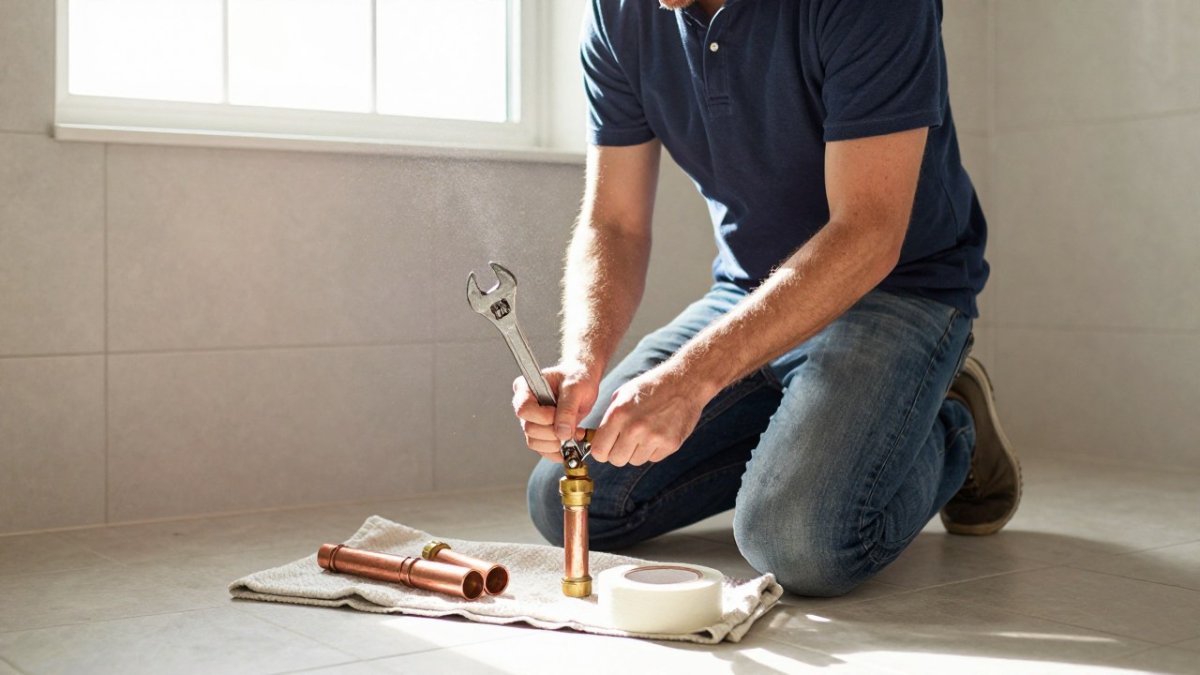
Copper is common in many homes, and it can corrode over time. Look for green or blue-green crust on fittings and joints, pinhole spots on exposed pipe, and areas where the copper looks thin or flaky.
Check the accessible pipes under sinks, near the water heater, and in the utility area. For a closer look at the visible warning signs of corroded home pipes, see signs of corroded home pipes. Run your hand along each line, feeling for dampness or a sticky film, which can indicate a slow seep. If you see corrosion on any joint or a pipe that looks worn through, don’t try to patch it with tape or sealant. Corroded copper usually needs the section replaced.
How Professional Leak Detection Works
A professional leak inspection depends on knowing which detection method to use first. If you want answers to common questions about what a visit involves, see our leak detection FAQs. Homes commonly have a mix of supply and drain materials, and some pipes run under concrete slabs. Each failure mode calls for a different method, and a good technician works from least invasive to most invasive.
Here is how the main methods work and when each one earns its place.
Acoustic listening. A technician pressurizes the system, then walks the line with a sensitive microphone or an electronic listening stick. Escaping water under pressure makes a hissing or rushing sound, and the loudest point on the surface usually sits directly above the leak. Acoustic listening is fast, non-destructive, and works well on pressurized supply lines in walls, ceilings, and under slabs.
Pressure testing. The technician isolates a section of the system, say, the hot side versus the cold side, or the house side versus the irrigation side, and pressurizes it with air or water while watching a gauge. A pressure drop confirms a leak exists in that isolated zone even when nothing is visible. Pressure testing is often the first step because it tells the technician whether the problem is on the supply side or the drain side before any wall gets opened.
Thermal imaging. An infrared camera reads surface temperature differences. Wet drywall, damp concrete, and moisture-soaked insulation hold heat differently than dry material, so a leak often shows up as a cooler or warmer patch on the camera. Thermal imaging is excellent for mapping the spread of moisture behind walls and ceilings and for confirming where a slab is wet. It is a screening tool, not a pinpoint tool, it shows the wet area, and acoustic or other methods narrow down the exact source.
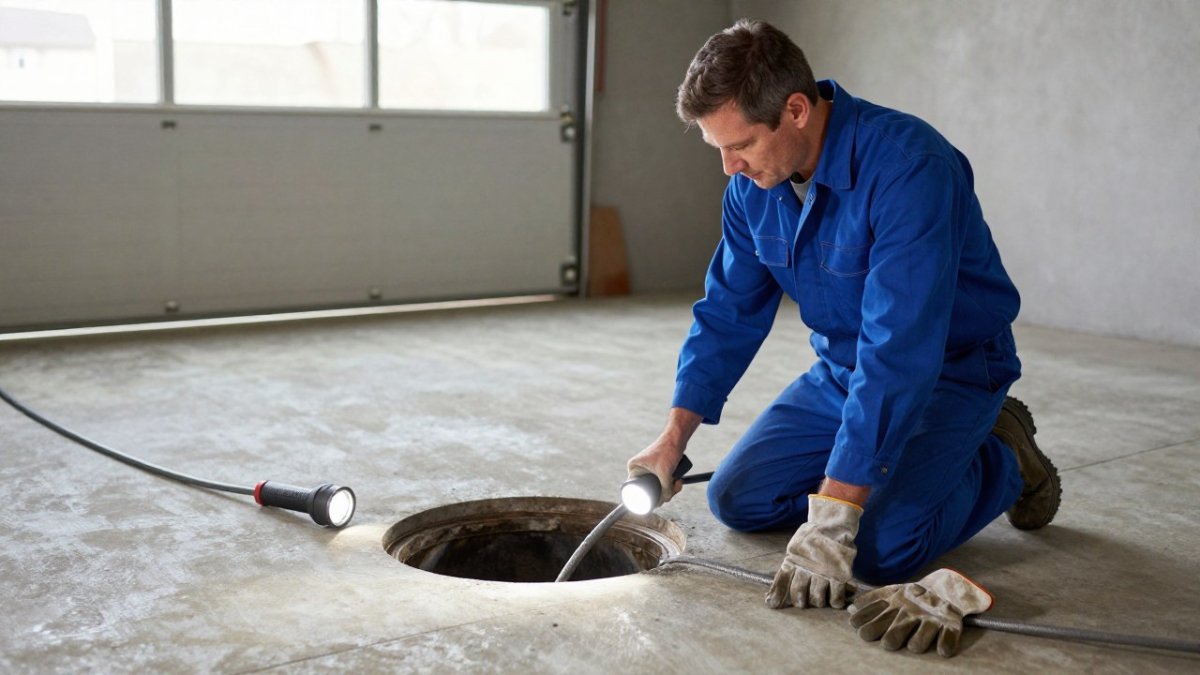
Video camera inspection. For drains and lines that can be accessed, a flexible camera on a reel is fed into the pipe. The technician sees cracks, joint separations, root intrusion, bellies where water pools, and scale buildup in real time. This is the standard method for confirming a drain leak or a break in a line running under a yard or slab, and it usually avoids any digging until the repair is planned.
Tracer gas and moisture meters. For stubborn cases, a slab leak that acoustic listening cannot pin down, or a line running under tile, a technician may introduce a safe tracer gas into the isolated line and use a detector at the surface to find where it escapes. Moisture meters are used alongside these methods to confirm readings and to check whether a suspected area is actually wet.
When you book an inspection, it helps to ask the technician which methods they plan to use and why, and whether the inspection includes a written report with photos. That documentation can be useful if you later file an insurance claim.
A proper inspection should identify the leak before any demolition happens.
Water Leak Detection Devices: What Homeowners Can Use
Consumer leak detection has gotten genuinely useful in the last few years, and for a Vero Beach homeowner it is one of the cheapest forms of insurance against a slow leak turning into a mold problem. The devices fall into three tiers, and it helps to know what each tier can and cannot do before you buy.
Point sensors. These are small battery-powered pucks that sit on the floor under a sink, beside the water heater, behind the washing machine, or next to the toilet. When water bridges two contacts on the bottom, the sensor sounds an alarm and, on Wi-Fi models, pushes a notification to your phone. They are inexpensive, easy to place, and require no plumbing work. The limitation is obvious: the sensor only knows about water that reaches it. A leak inside the wall above the sensor, or one that runs along a joist and drips three feet away, will not trigger it.
Smart water monitors at the main line. These install on the main supply pipe, usually with a clamp-on ultrasonic sensor or an inline flow sensor, and they learn your household’s normal water-use pattern. When they see continuous flow at 2 a.m. or a flow rate that matches a running toilet for an hour, they alert you. Some models can be installed by a homeowner with basic tools; others need a plumber to cut into the line. The advantage over point sensors is coverage, a main-line monitor watches the whole house, not one cabinet.
Smart shutoff valves. The top tier combines monitoring with an automatic shutoff. When the valve detects an abnormal flow pattern or receives a signal from a paired point sensor, it closes the main valve and stops the water. This is the device that actually prevents damage rather than just reporting it. Installation requires cutting the main line and wiring power, so it is a plumber’s job, and you should confirm the valve is rated for your pipe size and material. A manual bypass is standard, so you can still use water if the device fails or loses power.
A few practical notes for Florida homes. Wi-Fi sensors need a stable signal, a sensor in a garage or under a far bathroom cabinet may need a mesh extender. Battery life on point sensors is typically one to two years, and most apps warn you before the battery dies. If your home has an irrigation system, a shutoff valve that cannot distinguish irrigation flow from household flow will nuisance-trip, so look for a model with an irrigation bypass or schedule-aware logic.
Watch out: a smart shutoff valve installed without a bypass, or one sized for the wrong pipe, can leave you without water during a power outage or a firmware update. Confirm the bypass and the power backup before you agree to installation.
The three tiers of consumer leak detection devices differ in coverage and in whether they can stop water on their own.
| Device tier | What it does | Key limitation |
|---|---|---|
| Point sensors | Alerts when water reaches the sensor on the floor | Misses leaks that never reach the sensor |
| Smart water monitors at the main line | Watches whole-house flow and alerts on unusual use | Cannot show where the water is going |
| Smart shutoff valves | Closes the main valve when abnormal flow is detected | Needs a plumber to install and a bypass for outages |
Booking Your Leak Inspection with IRC Plumbing
If you’ve checked the signs above and still suspect a leak, book a professional leak inspection with IRC Plumbing. IRC Plumbing provides leak detection and diagnosis across the Treasure Coast. You can also review our leak detection and repair services in Vero Beach to see what’s available in your area.
IRC Plumbing has over 21 years of experience and is a family-owned business that is licensed and insured (License #CFCA20364). For a quote on your project, visit our website or call our office to schedule a visit.
Frequently Asked Questions
What is the average cost of leak detection?
Leak detection pricing depends on how hard the leak is to reach, the type of equipment needed, and how much access work is involved. Current pricing and a quote are available from IRC Plumbing through its website.
Is there a device that can detect a water leak?
Yes. Homeowners can buy simple water leak sensors that sound an alarm when moisture reaches the device, and smart water monitors that track flow through the main line and send alerts. Professional leak detection uses specialized tools such as acoustic listening equipment, thermal imaging, and pressure testing to locate leaks behind walls or under slabs. Consumer devices help with early warning, but they cannot pinpoint a leak inside a finished wall.
How can I tell if I have a hidden plumbing leak?
Watch for a water bill that rises without a change in household use, damp or soft spots in flooring or drywall, a musty smell, mold growth, and reduced water pressure. Listen for water running when every fixture is off. Running the water meter test described above is one of the most reliable checks. If several of these signs appear together, schedule an inspection rather than waiting for visible damage to spread.
When should I call a plumber for leak detection in Vero Beach?
Call a licensed plumber when your water meter moves with all fixtures off, when you notice wet spots or unexplained water usage, or when a leak may be under a slab or inside a wall. Early inspection limits water damage and keeps repair scope smaller. IRC Plumbing provides leak detection and diagnosis, so contact the company through its website to book a visit.