Last Updated: November 1, 2026
Quick Summary
A water heater leak usually comes from a failed valve, a loose fitting, a worn gasket, or a tank rusted through. A leak at the base of the tank is the most serious kind, and if water pools under the unit the tank has likely rusted from the inside, meaning replacement is the answer. Most other leaks, such as loose fittings, bad valves, and stuck relief valves, can be repaired.
- A cold tank in a humid garage can sweat, so dry the base and check again in an hour.
- A leaking relief valve usually means pressure or temperature climbed too high and the valve is releasing water.
- Never cap a relief valve, because that safety device prevents a dangerous pressure spike.
- Shut off a leaking unit by closing the cold-water inlet valve, then cut the power or gas.
- Call a pro when the tank is rusted, the relief valve keeps dripping, or you cannot trace the source.
Table of Contents
- Why Does My Water Heater Leak? Common Causes
- Water Heater Leaking From the Bottom
- Water Heater Pressure Relief Valve Leaking
- How to Shut Off a Leaking Water Heater
- Can a Leaking Water Heater Be Repaired?
- When to Call a Professional
- Frequently Asked Questions
Why Does My Water Heater Leak? Common Causes
If you are asking why does my water heater leak, most leaks trace back to a failed valve, a loose fitting, a worn gasket, or a tank rusted through. For a plain-language overview of how your water heater works and what typically fails, start there.
Water Heater Leaking From the Bottom
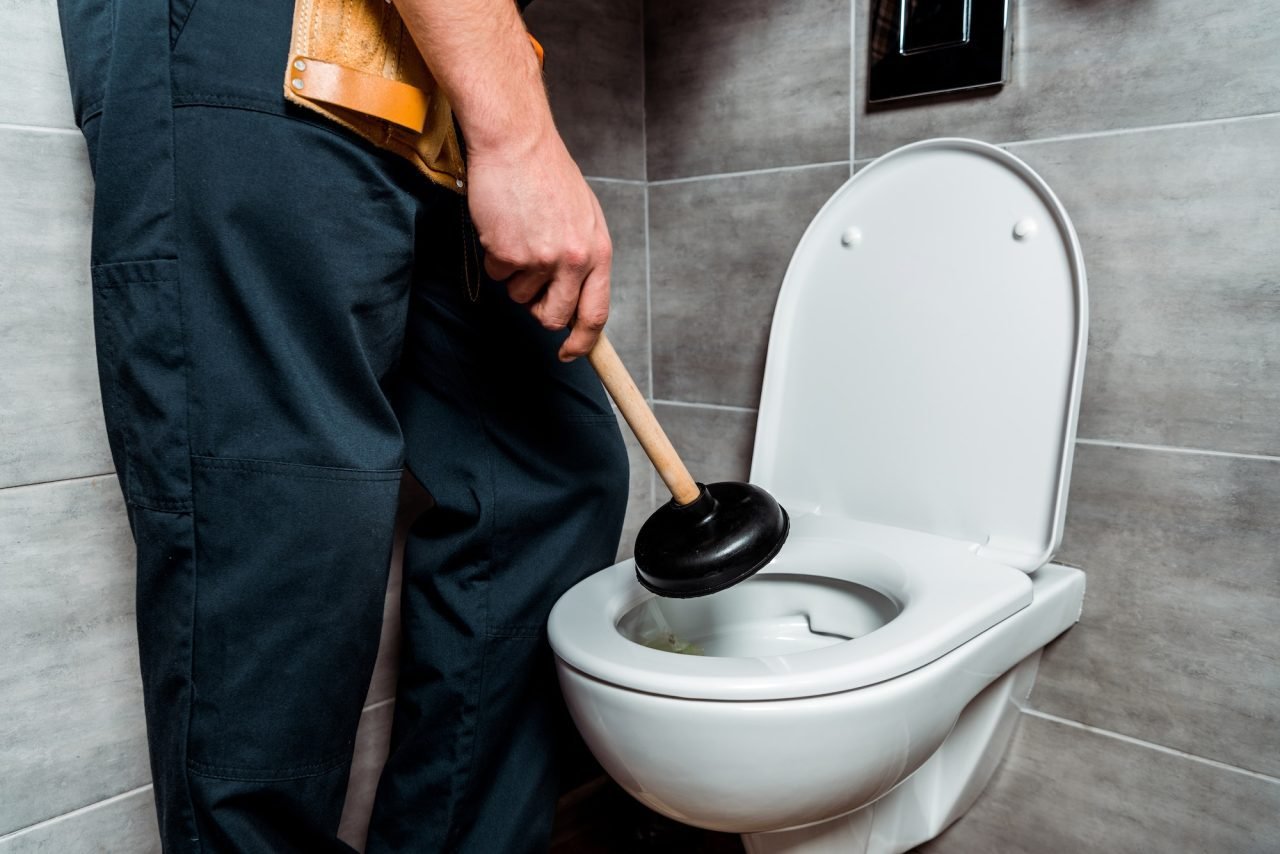
A leak at the base of the tank is the most serious kind. If water pools under the unit, the tank has likely rusted through from the inside, and replacement is the answer.
- Condensation. A cold tank in a humid garage can sweat. Dry the base and check again in an hour.
- The drain valve. A slow drip from the spigot is a cheap fix.
Learn how to prevent structural damage from leaks, and review water heater replacement cost estimates.
Water Heater Pressure Relief Valve Leaking
A leaking relief valve usually means pressure or temperature has climbed too high, and the valve is doing its job by releasing water. The fix is finding out why it opened.
- The valve is stuck or worn out
- Incoming pressure is too high
- Sediment has built up, trapping heat
Never cap a relief valve, that safety device prevents a dangerous pressure spike. If it keeps dripping after a flush, you need professional leak detection to check system pressure.
How to Shut Off a Leaking Water Heater
Shutting off a leaking water heater is usually quick. Turn the cold-water valve on the inlet pipe clockwise until it stops, then switch off the power at the breaker or set the gas dial to off.
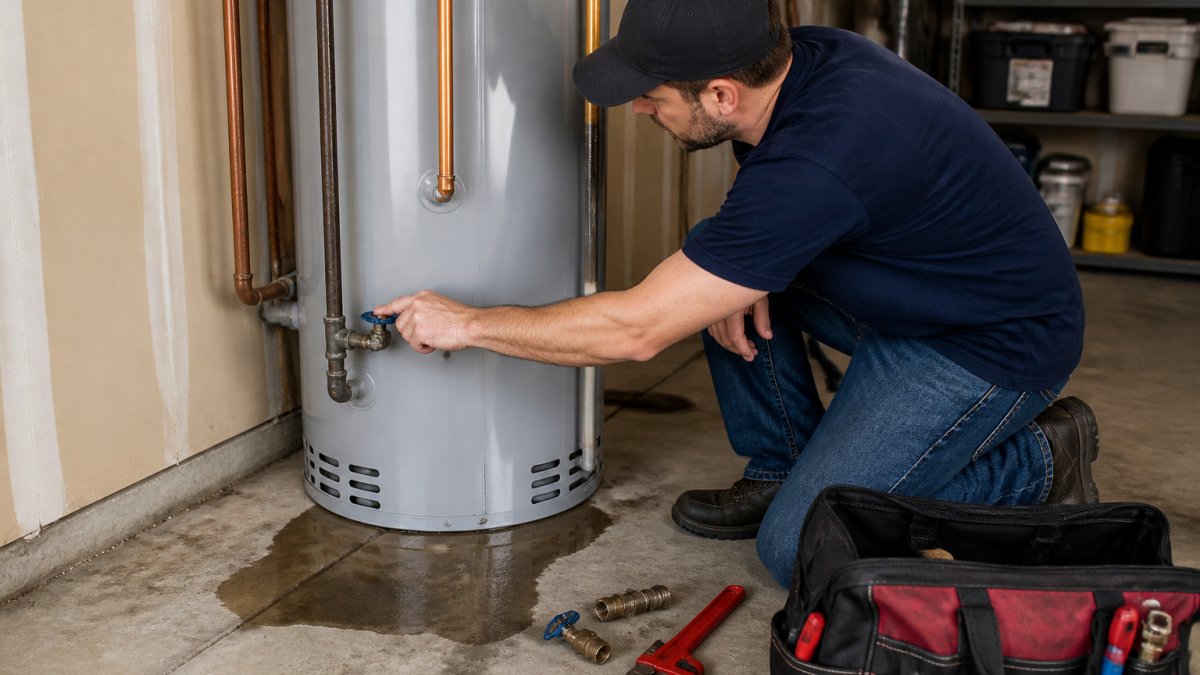
- Close the cold-water inlet valve.
- Cut the power or gas.
- Open a hot tap to drain pressure.
- Dry the base and trace the drip.
Can a Leaking Water Heater Be Repaired?
Yes, most leaks can be repaired, but it depends on where the water comes from. Loose fittings, worn gaskets, bad valves, and stuck relief valves are all fixable; a rusted or cracked tank is not.
| Leak Location | Likely Cause | Fix |
|---|---|---|
| Inlet or outlet fitting | Loose connection | Tighten or reseal |
| Relief valve | High pressure | Test and replace |
| Tank base | Rusted steel | Replace unit |
Repair only makes sense when the tank is sound. If you are ready to repair or replace, you can review the water heater services offered.
When to Call a Professional
Call a pro when the tank is rusted, the relief valve keeps dripping, or you cannot trace the source. Our licensed and insured team, #CFCA20364, provides diagnosis and repair across the Treasure Coast.
Frequently Asked Questions
Can I still use my water heater if it is leaking?
Shut it off first. A water heater leak can worsen quickly and damage flooring, drywall, and nearby belongings. Turn off power at the breaker or set the gas valve to pilot, then close the cold-water inlet valve. If the leak is from the tank itself, the unit usually needs replacement. If it comes from a fitting or the pressure relief valve, a repair may be possible. Have a licensed plumber diagnose the source before you use it again.
How can I tell whether the leak is from the tank or a connection?
Dry the area completely, then watch where water reappears. Water pooling under the tank with no visible drip above usually points to a failed tank. Moisture at the inlet or outlet fittings, the pressure relief valve, or the drain valve points to a connection or component. A water heater leaking from the bottom near the seams often means the tank has rusted through, which is not repairable. A plumber can confirm with a leak detection inspection.
Why is water leaking from the pressure relief valve?
The pressure relief valve opens to release excess pressure or temperature. A water heater pressure relief valve leaking can mean the valve is stuck, sediment has built up, the tank is overpressurized, or the valve has failed. Sometimes a simple valve replacement fixes it. If pressure keeps building, the cause may be a faulty thermostat or a closed system without an expansion tank. A licensed plumber should check the valve and the system pressure before you replace parts.
A leak you cannot trace, or a tank that has rusted through, needs a trained eye before it damages your home. IRC Plumbing brings licensed diagnosis, honest repair advice, and same-family service to Sebastian and Indian River County. We offer expert leak detection and full water heater replacement, backed by three generations of workmanship. Get started with IRC Plumbing and stop the leak for good.