Table of Contents
- Spot the Signs of a Water Leak in Walls Before Damage Spreads
- Water Leak Detection Methods That Protect Your Home’s Structure
- What to Do When a Pipe Leaks: Steps to Prevent Structural Damage
- Frequently Asked Questions
Last Updated: October 19, 2026
Spot the Signs of a Water Leak in Walls Before Damage Spreads
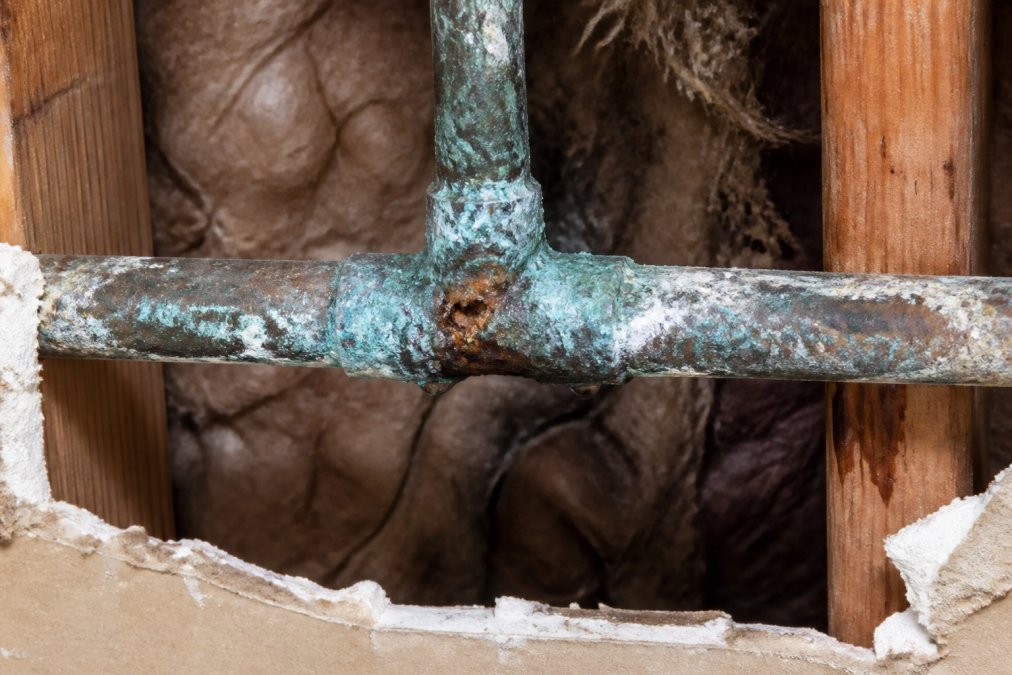
Small leaks drip behind drywall for weeks until stains, rot, or mold appear. Learning the signs of a water leak in walls is the cheapest way to prevent structural damage from leaks in a Sebastian, FL home.
At IRC Plumbing, three generations of Treasure Coast homeowners have taught us one thing: the earlier you catch it, the smaller the repair.
Watch for these warning signs:
- A musty smell you cannot trace to any one room
- Paint that bubbles, blisters, or peels without reason
- A brown or yellow ring spreading on the ceiling
- Drywall that feels soft or spongy when pressed
- Baseboards that warp, swell, or pull away from the wall
- A water bill that climbs while your habits stay the same
- The sound of running water when every fixture is off
One sign warrants a closer look; two or more usually means water is moving through the wall cavity, weakening framing and feeding mold.
Water Leak Detection Methods That Protect Your Home’s Structure
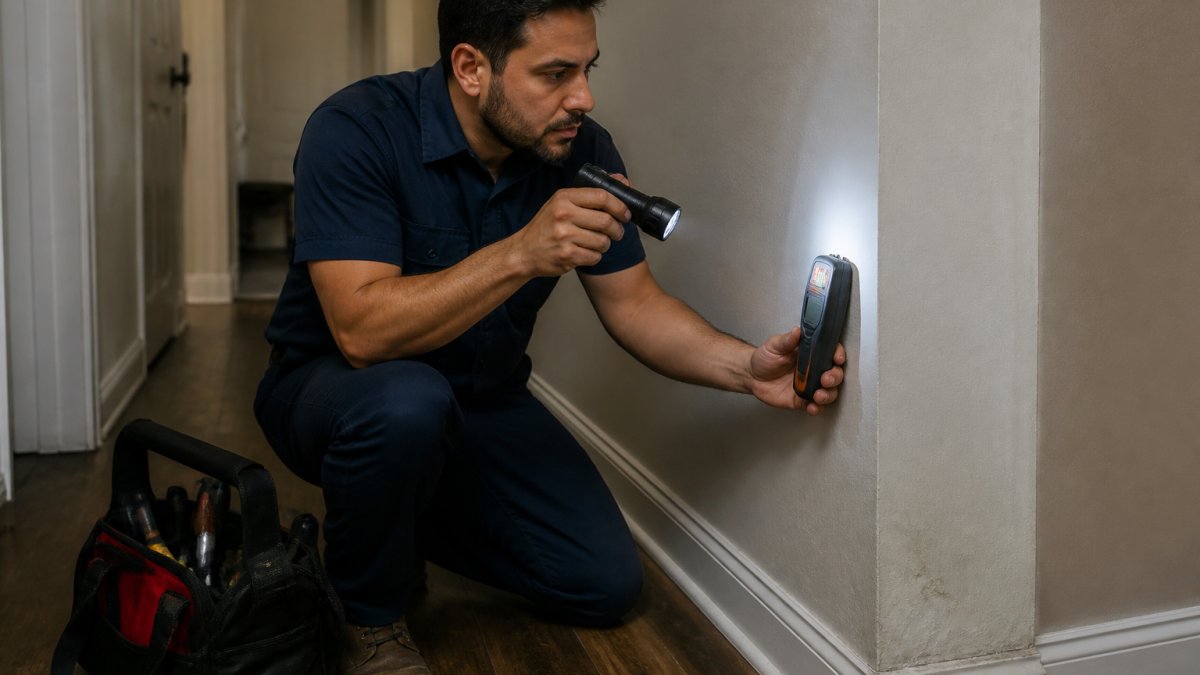
Water leak detection methods range from a five-minute DIY check to professional tools that find leaks without tearing open a wall. Water leak detection locates the source before it damages framing, drywall, or flooring:
- Meter test. Shut off every fixture and watch your water meter. If the dial still moves, water is escaping somewhere in the system.
- Visual sweep. Check under sinks, behind the washing machine, and around the water heater for drips, rust, or staining.
- Moisture meter. Reads dampness inside drywall and wood without cutting anything.
- Thermal imaging. An infrared camera shows cool, wet spots behind a wall surface.
- Acoustic listening. Sensitive equipment picks up water moving through a pipe inside the wall.
- Pressure testing. Isolating pipe sections confirms which line is leaking.
For a Sebastian homeowner, the meter test and visual sweep are the right first step. If signs persist, a licensed plumber with moisture and thermal tools can pinpoint the leak with minimal cutting.
Write down your water meter reading before bed and again first thing in the morning, with no water used overnight. A dial that moved tells you there is an active leak, even if you cannot see a drop.
What to Do When a Pipe Leaks: Steps to Prevent Structural Damage
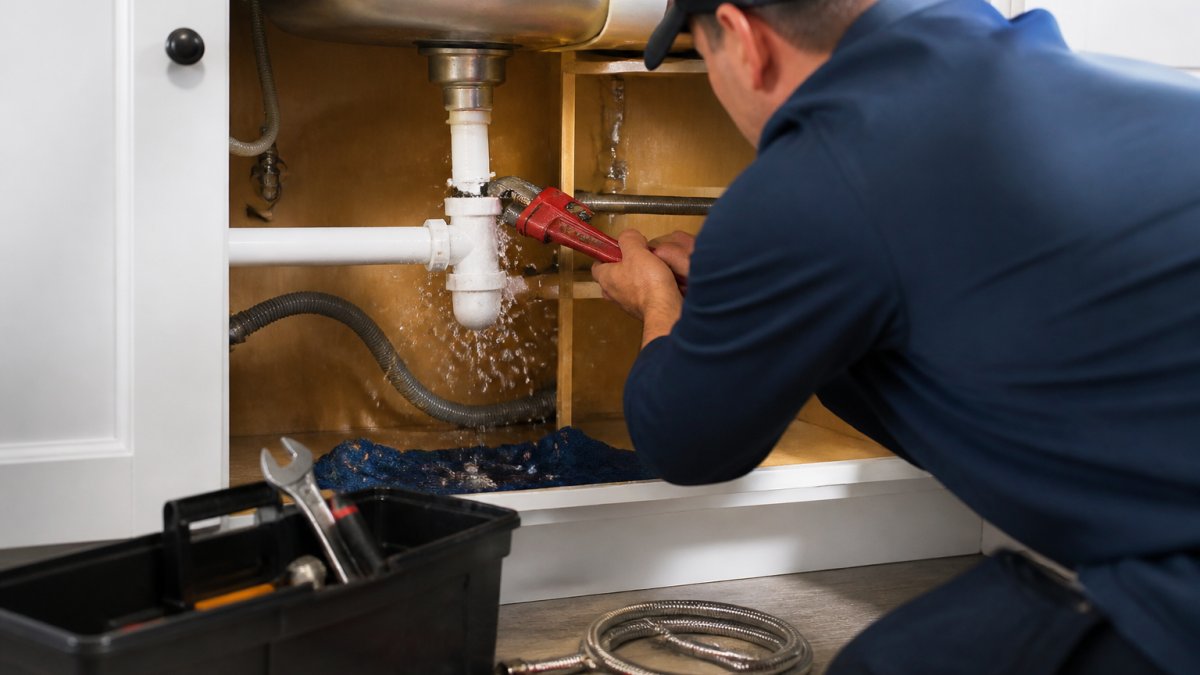
When a pipe leaks, the first hour matters most. Quick action limits how far water travels and how much of your home’s structure it touches.
Follow these steps to prevent structural damage from leaks:
- Shut off the water. Turn the main valve clockwise until it stops.
- Cut the power to wet areas. Flip the breaker if water is near outlets or a light fixture.
- Contain the water with buckets, towels, and a wet-dry vacuum.
- Start drying right away with fans and a dehumidifier to slow mold growth.
- Call a licensed plumber to find and fix the source, not just the puddle.
- Document everything with photos for your insurance claim.
Mold prevention after water damage starts with drying within the first day or two (the EPA). The EPA guide to mold cleanup explains why fast drying matters and when to bring in a pro.
Most DIY fixes fall short: a patch stops the drip but does not dry the wall cavity, and hidden moisture keeps eating at the studs long after the leak is “fixed.” A plumber who finds the source and confirms the area is dry protects the structure, not just the pipe.
Never paint over a water stain to hide it. The stain will bleed back through, and the moisture behind it keeps damaging the wall. Find the source first.
If a leak has already left its mark, or you want it found before it spreads, IRC Plumbing serves homeowners across Sebastian and the Treasure Coast. We are family-owned, licensed and insured (#CFCA20364), and we find leaks with tools that spare your walls. Schedule a service and get peace of mind before the damage spreads.
Frequently Asked Questions
How can I prevent structural damage from a plumbing leak?
Catch leaks early by checking for signs of a water leak in walls monthly, such as discoloration or musty odors. Use water leak detection methods like watching your meter and installing leak sensors. When a pipe leaks, shut off the water immediately and dry the area within 24 to 48 hours. Addressing moisture quickly prevents structural damage from leaks and stops mold growth.
What are the early signs of a hidden pipe leak?
Watch for water stains on walls or ceilings, peeling paint, a musty smell, or the sound of running water when fixtures are off. Unexplained spikes in your water bill also signal a hidden leak. If you notice these signs of a water leak in walls, act fast to prevent structural damage from leaks before wood and drywall deteriorate.
When should I call a plumber for a suspected hidden leak?
Call a licensed plumber if you cannot locate the source within a day, if the leak is behind a wall or under a slab, or if you see sagging or soft spots. Professional water leak detection methods find hidden leaks without unnecessary demolition. Quick action prevents structural damage from leaks and limits repair costs.