Table of Contents
- Why Professional Drain Cleaning Protects Your Plumbing System
- Professional Drain Cleaning vs Chemical Cleaners: What Happens to Your Pipes
- Signs of a Main Sewer Line Clog You Should Never Ignore
- The Cost of Professional Drain Cleaning and What Drives the Price
- Preventative Maintenance That Keeps Drains Flowing Year-Round
- DIY vs Professional Drain Cleaning: When Each Approach Makes Sense
- Frequently Asked Questions
Last Updated: September 25, 2026
Why Professional Drain Cleaning Protects Your Plumbing System
Professional drain cleaning is the use of specialized tools and trained technique to remove buildup from drain and sewer lines before it becomes a blockage. Unlike a quick fix, it restores full pipe diameter and protects the plumbing system underneath your home. At IRC Plumbing, we’ve handled drain work across the Treasure Coast for over 21 years, and the pattern is always the same: the homes that get cleaned on a schedule avoid the expensive emergencies.
The benefits of professional drain cleaning go well beyond a faster-draining sink. Here’s what regular service actually protects:
- Full drainage speed restored, so water exits instead of pooling
- Pipe integrity preserved, because buildup is removed before it hardens
- Fewer emergency repair costs, since problems get caught early
- Longer life for your entire drainage system
Grease, soap scum, hair, and mineral deposits all stick to pipe walls. Over time, that layer narrows the pipe. Water slows, then stops. A pro clears the whole line, not just the visible clog.
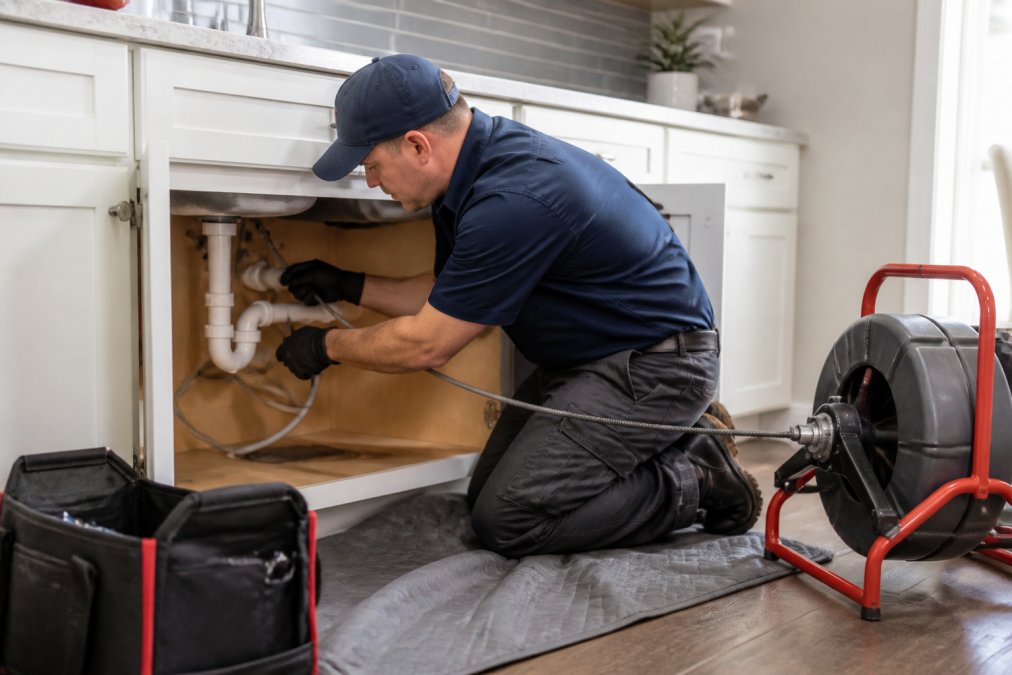
How Hydro-Jetting Clears What a Drain Snake Cannot
A drain snake punches a hole through a clog. Hydro-jetting scrubs the entire pipe wall clean with high-pressure water. That difference matters for grease buildup, mineral deposits, and root intrusion, which a cable alone can’t fully remove. The EPA guidance on wastewater and septic system care makes the point plainly: keeping lines clear protects both your home and the public system they connect to.
Professional Drain Cleaning vs Chemical Cleaners: What Happens to Your Pipes
Chemical drain cleaners are the most damaging shortcut on the shelf. They rely on harsh compounds that generate heat to dissolve clogs. That heat is hard on pipes, and it rarely clears the whole blockage. The clog often returns within weeks, and repeated use eats away at older pipe materials.
Professional drain cleaning works mechanically instead. Tools like a drain snake or hydro-jetter physically remove the buildup rather than burning through part of it.
Here’s how the two compare:
| Factor | Chemical Cleaners | Professional Drain Cleaning |
|---|---|---|
| What it removes | Part of the clog | Full buildup on pipe walls |
| Effect on pipes | Can corrode over time | Preserves pipe integrity |
| Recurrence | Clog often returns | Lasting result |
| Safety | Fumes, skin risk | Handled by trained techs |
| Best for | Never ideal | Any recurring clog |
A common mistake is pouring a chemical cleaner down a slow drain and calling it solved. In practice, that just delays the real fix and can damage the pipe.
Repeated chemical cleaner use can weaken older pipes and lead to leaks or a full wastewater backup. If a drain is slow more than once, stop treating it and get the line inspected.
Signs of a Main Sewer Line Clog You Should Never Ignore
A main sewer line clog shows warning signs well before it fails completely. Catching them early is the difference between a routine cleaning and an emergency repair.
Watch for these signals:
- Multiple drains backing up at once, not just one fixture
- Foul odors rising from sinks, tubs, or floor drains
- Gurgling sounds when water drains elsewhere in the house
- Slow-draining sinks that keep getting worse
- Water pooling around the floor drain or basement
- Sewage smell anywhere in the home
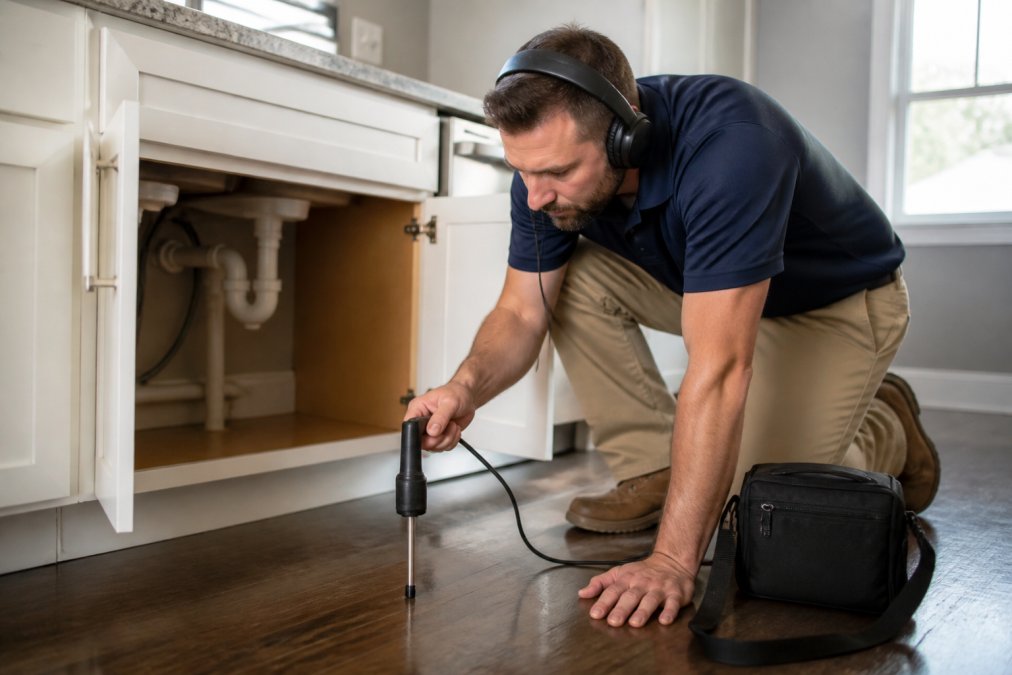
One slow sink is usually a local clog. Several at once points to the main line. That’s when you call a professional plumber for a sewer line inspection, ideally with a video camera inspection to see exactly what’s blocking flow.
If two or more fixtures back up together, skip the store-bought fix. That pattern almost always means the main line, and a camera inspection finds the cause in minutes instead of guessing.
The Cost of Professional Drain Cleaning and What Drives the Price
The cost of professional drain cleaning depends on the job, not a flat rate. Several things move the number up or down:
- Location of the clog: a sink trap is quick; a main line is not
- Access: clean-outs make the job faster; no access means more work
- Method: a simple snake costs less than full hydro-jetting
- Severity: light buildup clears fast; root intrusion takes longer
- Add-ons: camera inspection or follow-up treatment
Because every home is different, we quote after we understand your situation, not before. At IRC Plumbing, you get a clear picture of the work and the price before we start. For current rates, check IRC Plumbing’s service page or call to schedule.
Preventative Maintenance That Keeps Drains Flowing Year-Round
Most drain advice stops at “don’t pour grease down the sink.” That’s fine as far as it goes, but it ignores the fact that the right maintenance schedule depends on your home, its age, its pipe material, what’s growing in the yard, and how many people are using the drains. A 1950s house with original cast iron and a mature maple over the lateral needs a very different cadence than a 2015 build with PVC and no trees.
Here’s a schedule framework you can actually apply:
| Home Profile | Homeowner Habits | Professional Cadence |
|---|---|---|
| Newer build (PVC), no trees, 1-2 occupants | Weekly hot-water flush after kitchen use; strainers in every drain | Camera check every 2-3 years; jetting only if indicated |
| Newer build, mature trees near the lateral | Same habits; watch for gurgling after heavy rain | Annual camera inspection; jetting as needed for roots |
| Older home (cast iron or galvanized), no trees | Monthly hot-water and baking soda flush; avoid chemical cleaners entirely | Annual cleaning; camera check at each visit |
| Older home with trees and heavy kitchen use | Same as above, plus never pour fats or oils down any drain | Every 6-12 months; jetting likely on most visits |
| Multi-generational or high-occupancy home | Strainers, hot-water flushes, and a no-wipes rule | Annual cleaning at minimum; consider every 6 months |
The homeowner column matters more than most people realize. Two habits prevent the majority of residential buildup: a mesh strainer in every tub, shower, and kitchen sink, and a hot-water flush after any greasy cooking session. Hot water keeps fats and oils in liquid form long enough to move through the lateral instead of cooling and coating the pipe wall.
What to skip: chemical drain cleaners as “maintenance.” They don’t clean pipe walls, they burn a path through part of a clog and leave the rest. Used routinely, they also stress older pipe materials. If a drain is slow more than once, that’s a signal to inspect, not to pour.
A word on timing. The best window for professional service is before a problem, not during one. Late fall is a common choice because it clears summer’s grease and scale before holiday cooking loads the kitchen line, and it catches root growth before winter storms push water through a restricted lateral. Homes on septic systems should also have the tank inspected and pumped on the manufacturer’s or installer’s recommended interval, a full tank backs up into the house regardless of how clean the drain line is.
Match the schedule to the home, not the calendar. Age, pipe material, tree proximity, and occupancy drive how often a line needs professional attention, and an annual cleaning almost always costs less than the emergency repair it prevents.
DIY vs Professional Drain Cleaning: When Each Approach Makes Sense
DIY works for one thing: a fresh, shallow clog in a single fixture. A plunger or a hand snake can clear a hairball in a bathroom sink in a few minutes. That’s the honest limit.
Call a professional when:
- The clog is in the main sewer line
- Multiple fixtures are affected
- You smell foul odors or see wastewater backing up
- Chemicals and plunging already failed
- The same drain keeps clogging
The DIY-versus-professional choice comes down to risk. A wrong tool on a main line can crack a pipe, and that turns a cleaning into a repair.
Frequently Asked Questions
Is professional drain cleaning worth it?
Yes, for recurring clogs or slow drains. A professional uses a drain snake or hydro-jetting to clear the full pipe, not just the visible blockage. This restores drainage speed, removes grease buildup and mineral deposits, and lowers the risk of wastewater backup. It also gives a plumber a chance to spot pipe corrosion or root intrusion before it becomes an emergency repair.
Why do plumbers say not to use drain cleaner?
Chemical cleaners rely on caustic or acidic formulas that can eat through pipe walls over time, especially older metal pipes. They rarely clear the entire blockage and often just punch a small channel through it. Professional drain cleaning vs chemical cleaners comes down to this: a plumber removes the clog physically and inspects the pipe, while a chemical bottle only treats the symptom.
How often should you schedule professional drain cleaning?
Most homes benefit from professional drain cleaning every 12 to 24 months. Homes with older pipes, heavy kitchen use, or a history of root intrusion may need service every 6 to 12 months. A plumber can recommend a maintenance schedule after a sewer line inspection, which shows the condition of your pipe integrity and reveals any recurring problem areas.
What are the signs that your drains need professional attention?
Watch for slow-draining sinks, gurgling sounds from drains, foul odors near the floor drain, and water backing up in one fixture when you use another. Multiple slow drains at once often point to a main sewer line clog rather than a single fixture issue. If you see these signs, schedule a professional drain cleaning service before the blockage causes water damage.
A slow drain never fixes itself, and the longer you wait, the more it costs. IRC Plumbing brings three generations of experience, licensed and insured service, and the right tools to clear the line and keep it clear. We handle expert diagnosis, sewer camera inspection, and full drain cleaning for homes and businesses across the Treasure Coast. Schedule a service with IRC Plumbing and get your drains flowing right the first time.